- 0
- 1,141 word
Ice baths have become a popular recovery practice for athletes, fitness enthusiasts, and people looking to add cold-water exposure to their wellness routines. However, one of the most common questions beginners have is: How long should you stay in an ice bath at home?
The answer depends on factors such as water temperature, your experience with cold exposure, personal tolerance, and your overall health. Spending more time in cold water does not necessarily mean greater benefits. A short, controlled session is often a practical starting point for beginners.
What Is an Ice Bath?
An ice bath is a form of cold-water immersion where you sit or immerse part or most of your body in chilled water for a specific period. The water is generally colder than a typical swimming pool, creating a noticeable cold stimulus.
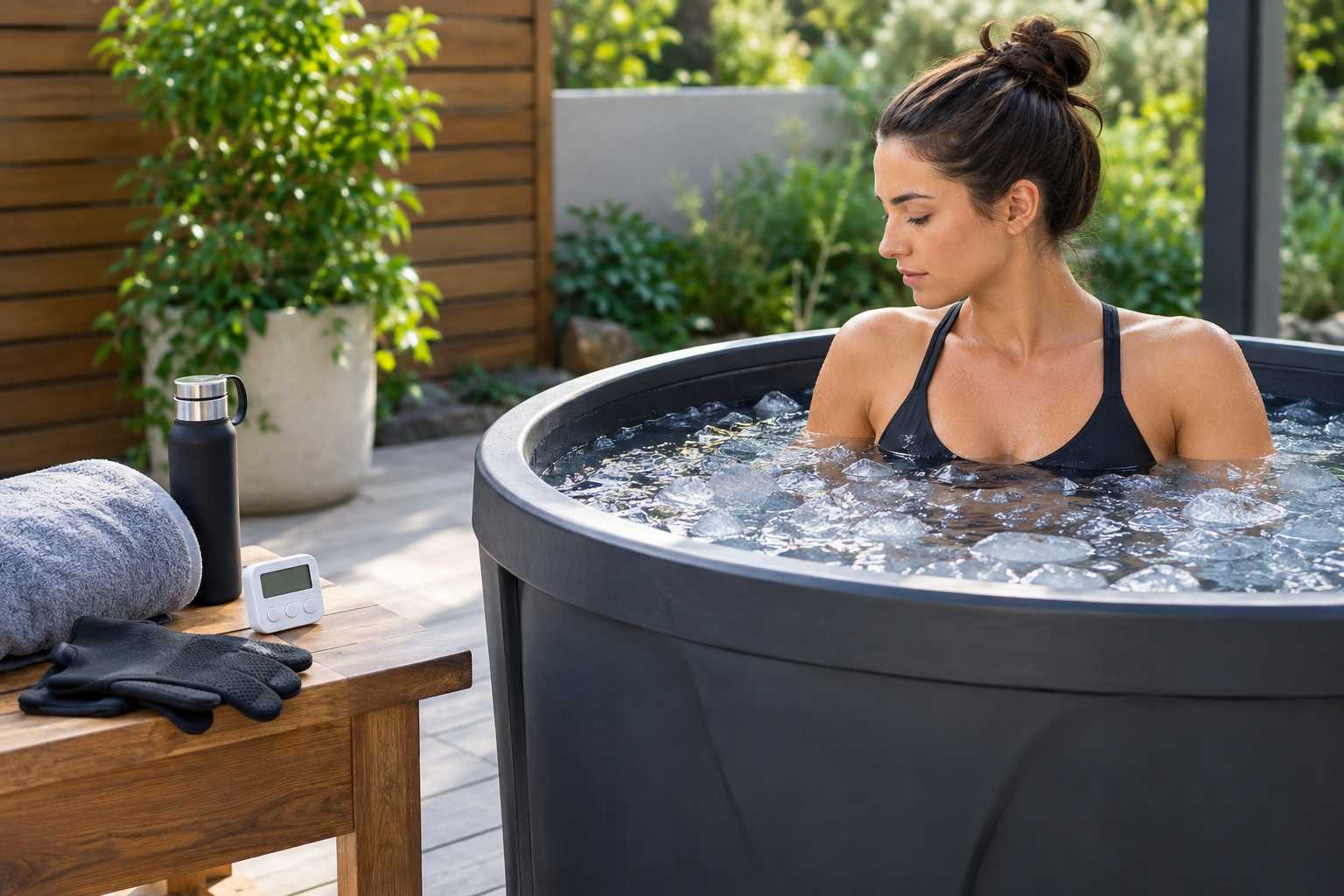
At home, ice baths can be prepared using a dedicated cold plunge tub, an ice barrel, or another suitable container designed for cold-water immersion. The goal is to create a controlled environment where you can enter, remain calm, and exit safely.
How Long Should Beginners Stay in an Ice Bath?
If you are new to ice baths, starting with 30 seconds to 2 minutes can help you become familiar with the sensation of cold water. There is no need to immediately aim for a long session.
As you become more comfortable, you may gradually increase your exposure. Many recreational users choose sessions of around 2 to 5 minutes, depending on the water temperature and their individual tolerance.
The colder the water, the more challenging the exposure can feel. Therefore, session duration should always be considered alongside water temperature rather than treated as a fixed number.
For beginners, consistency and controlled exposure are generally more useful than trying to stay in the water for as long as possible.
What Temperature Should an Ice Bath Be?
Water temperature plays an important role in determining how long you should stay immersed. Extremely cold water can place significant stress on the body, especially for someone who is inexperienced.
A commonly used range for cold-water immersion is approximately 10°C to 15°C (50°F to 59°F). Beginners may prefer starting toward the warmer end of this range before gradually experimenting with colder temperatures if appropriate.
You do not necessarily need a tub filled with ice to get started. Cold water alone can provide a substantial cold stimulus, and adding ice can lower the temperature further when needed.
Rather than focusing only on achieving the coldest possible water, focus on maintaining a controlled and manageable experience.
Why Staying Longer Is Not Always Better
It can be tempting to believe that a longer ice bath will provide better results. However, cold exposure is a stressor, and increasing the duration increases the amount of time your body is exposed to that stress.
Long sessions can increase discomfort and may contribute to excessive cooling of the body. For this reason, beginners should avoid treating ice baths as an endurance challenge.
A short session that you can complete calmly and consistently may be more practical than pushing yourself to remain in extremely cold water for an extended period.
How to Know When It Is Time to Get Out
Having a planned duration is useful, but you should also pay attention to how you feel during the session.
Get out of the ice bath if you experience concerning symptoms such as:
- Severe or uncontrollable shivering
- Dizziness or light-headedness
- Confusion or unusual difficulty thinking clearly
- Numbness that becomes significant
- Difficulty breathing that does not settle
- Feeling faint or unwell
Cold water can trigger an immediate gasp or rapid breathing response when you first enter. Try to remain calm and controlled rather than forcing yourself to continue if your breathing becomes difficult.
After leaving the bath, dry yourself and warm up gradually in a comfortable environment.
Should You Take an Ice Bath Every Day?
There is no universal requirement to take an ice bath every day. How frequently you use cold-water immersion depends on your goals, training schedule, experience, and how your body responds.
Some people incorporate cold exposure several times per week, while others use it after particularly demanding workouts or on selected recovery days.
If you perform strength or muscle-building workouts, timing may also be worth considering. Some research suggests that regularly using cold-water immersion immediately after resistance training may reduce some of the adaptations associated with training. If building muscle and strength is a major goal, discuss your recovery strategy with a qualified fitness or healthcare professional.
Tips for a Safer Ice Bath at Home
Creating a controlled setup can make your cold-water routine more comfortable and manageable. Keep these tips in mind:
- Start Gradually: Do not begin with the coldest possible temperature or the longest session. Give yourself time to adapt to the sensation of cold water.
- Use a Timer: A timer can prevent you from losing track of time while immersed. Decide on your duration before entering the water.
- Monitor the Water Temperature: A reliable thermometer can help you understand exactly how cold your bath is. This is particularly useful when adding ice.
- Keep the Area Safe: Place your ice bath somewhere stable and easy to enter and exit. Avoid slippery surfaces and make sure you can get out of the tub without difficulty.
- Have Warm Clothing Nearby: Keep a towel, dry clothing, and a comfortable place to warm up close to the tub. This eliminates the need to walk around while wet and cold.
- Avoid Turning It Into a Competition: Cold-water immersion should be approached as a controlled wellness practice, not a test of toughness. If something feels wrong, end the session.
When Should You Avoid an Ice Bath?
Cold-water immersion is not suitable for everyone. People with certain cardiovascular conditions, circulation problems, uncontrolled high blood pressure, or other medical concerns should speak with a healthcare professional before trying an ice bath.
Cold exposure can produce significant cardiovascular and respiratory responses. If you have a medical condition, take medication that affects circulation or blood pressure, are pregnant, or are uncertain whether cold immersion is appropriate for you, seek professional medical advice before starting.
Never use an ice bath as a substitute for medical treatment.
Finding Your Ideal Ice Bath Duration
There is no single perfect duration that works for everyone. For a beginner, starting with 30 seconds to 2 minutes and gradually working toward 2 to 5 minutes can provide a more manageable introduction to cold-water immersion.
Your ideal session should account for water temperature, experience, personal tolerance, and how you feel before, during, and after the bath. Colder water generally calls for greater caution, and longer sessions are not automatically more beneficial.
The best approach is to keep your ice baths controlled, gradual, and consistent. By paying attention to temperature and duration rather than chasing extreme cold, you can build a home routine that fits comfortably into your recovery and wellness lifestyle.
Author

admin@theperiodictimes.online
Related Posts
Best Landscaping Solutions for Small Gardens and Courtyards in Melbourne
- 0
- 849 words
Small gardens and courtyards can be challenging to design, but limited space does not mean you have to compromise on style, functionality...
Read out allHow Professional Security Guards Help Reduce Business Risks
- 0
- 543 words
Every business faces security risks, regardless of its size or industry. Theft, vandalism, unauthorized access, workplace conflicts, and property damage can affect...
Read out all
How to Prepare Your Melbourne Garden for Extreme Summer Weather
- 0
- 1,028 word
Melbourne summers can be beautiful, but they can also bring intense heat, dry winds, sudden storms and extended periods of hot weather....
Read out all
10 Small Backyard Landscaping Ideas to Maximise Every Square Metre
- 0
- 927 words
A small backyard doesn’t have to limit your outdoor lifestyle. With thoughtful planning and smart landscaping, even the most compact space can...
Read out all
How Mobile Patrol Security Helps Reduce Crime in Melbourne
- 0
- 846 words
Crime prevention is a major concern for businesses, residential communities, construction sites, and public facilities across Melbourne. While traditional security measures such...
Read out all
When Should You Hire a Landscape Architect for Your Project?
- 0
- 931 words
Creating a beautiful and functional outdoor space requires more than simply planting trees or laying paving stones. Whether you’re planning a residential...
Read out all