- 0
- 926 words
In the world of fitness, recovery is almost as important as training itself. Athletes and active individuals constantly look for effective techniques to help their bodies repair, adapt, and prepare for future performance. One recovery method that has gained widespread popularity is ice bath therapy, also known as cold water immersion (CWI). From professional teams to weekend warriors, ice baths have been embraced — but what does the research actually say about their effectiveness?
What Is Ice Bath Therapy?
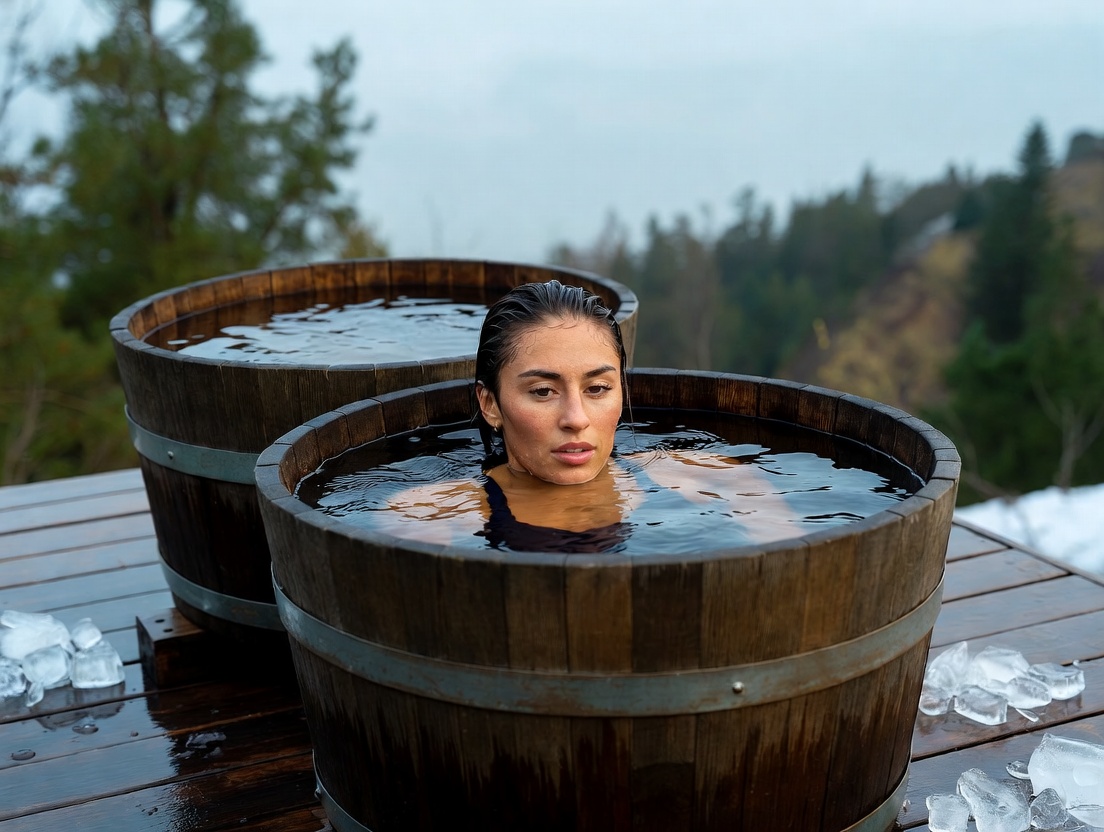
Ice bath therapy involves immersing the body — usually up to the waist — in cold water (typically between 10°C to 15°C / 50°F to 59°F) for a short period, often 10 to 15 minutes. The goal is to expose muscles to cold temperatures immediately after intense exercise to reduce soreness and accelerate recovery.
This practice has roots in traditional therapies and contrast bathing techniques, and it’s often used alongside other recovery methods like stretching, massage, compression garments, and nutrition.
How Ice Baths Are Supposed to Work
Proponents of ice baths argue that the cold exposure has several physiological effects that promote recovery:
1. Reduced Inflammation and Swelling
After intense workouts, muscles develop microtrauma — tiny tears that lead to inflammation, swelling, and soreness. Cold exposure causes blood vessels to constrict (vasoconstriction), which may help reduce fluid accumulation and inflammation in muscle tissues.
2. Slowed Metabolic Activity
Cold temperatures may slow down cellular processes and metabolic activity, potentially decreasing muscle degradation after exercise.
3. Nerve Signal Dampening
The cold can temporarily numb nerve endings, reducing the sensation of pain and soreness after workouts.
4. Enhanced Circulation Upon Rewarming
When you get out of an ice bath and the body warms up, blood vessels dilate (vasodilation), potentially leading to improved circulation, nutrient delivery, and waste removal.
These mechanisms sound promising — but the real question is: Does it actually help recovery?
What the Research Says
Scientific investigation into ice baths has increased steadily over the past two decades. Below is a summary of what high-quality studies have found:
1. Reduced Delayed Onset Muscle Soreness (DOMS)
One of the most consistent findings across studies is that ice baths reduce the perception of muscle soreness after exercise. This effect appears in both trained athletes and recreational exercisers. In systematic reviews, cold water immersion often results in lower soreness scores 24 to 72 hours after exercise compared to passive rest. This suggests that ice baths can help athletes feel less stiff and sore in the days following intense training or competition.
2. Mixed Results on Muscle Function and Strength Recovery
While soreness tends to decrease, the evidence regarding actual muscle performance recovery is more mixed. Some studies report better short-term strength retention with ice baths, while others find no significant benefit compared to other recovery strategies. In practical terms, ice baths may not significantly speed up restoration of muscle strength or power, especially when compared with active recovery or proper nutrition.
3. Limited Impact on Inflammation Markers
Research looking at biomarkers of inflammation — such as creatine kinase (CK) and interleukins — suggests that cold water immersion does not consistently decrease these markers more than other recovery methods. This indicates that while athletes feel less soreness, physiological inflammation may not be dramatically altered by an ice bath.
4. Mental and Perception Benefits
Interestingly, some researchers point out that ice baths might provide psychological benefits. For many athletes, the ritual itself signals recovery and can improve mood or confidence in training readiness. This placebo-like effect shouldn’t be dismissed; perception of recovery matters in performance sports.
When Ice Baths Work Best
According to research and practical experience, ice bath therapy may be most useful in the following situations:
-
After very intense training or competition (e.g., long runs, tournaments, heavy resistance sessions)
-
When soreness could interfere with performance soon after
-
For athletes with high training volumes who need quicker turnaround
-
As part of a broader recovery plan rather than a standalone solution
In contrast, ice baths might be less useful after light workouts or low-intensity sessions where muscle damage is minimal.
Potential Downsides and Precautions
Despite their popularity, ice baths aren’t for everyone:
❄️ Discomfort
Cold water immersion can be uncomfortable or even distressing, particularly for beginners or people sensitive to cold.
⚠️ Cardiovascular Stress
The sudden cold can increase heart rate and blood pressure. Individuals with cardiovascular issues, hypertension, or poor cold tolerance should consult a healthcare provider before using ice baths.
🧬 Possible Interference with Adaptation
Some research suggests that frequent icing may blunt the body’s natural adaptation to training by reducing inflammation too much. This could theoretically impair long-term strength and muscle growth if used excessively.
Best Practices for Ice Bathing
If you decide to incorporate ice baths into your routine, here are science-backed tips:
✔️ Water Temperature: 10–15°C (50–59°F)
✔️ Duration: 10–15 minutes
✔️ Timing: Within 1 hour after exercise
✔️ Hydration: Drink water before and after exposure
✔️ Warm-up After: Rewarm gradually to avoid prolonged vasoconstriction
Alternatives like contrast water therapy (alternating warm and cold) or active recovery (light cycling, stretching) can also be effective and may feel more comfortable for some people.
Conclusion
Scientific evidence supports the idea that ice bath therapy can reduce muscle soreness and improve how you feel after intense workouts. However, its effects on actual muscle performance recovery and long-term adaptation are less clear. Ice baths are best viewed as one tool in a well-rounded recovery toolbox, alongside hydration, nutrition, sleep, and mobility work.
Whether you’re a competitive athlete or a fitness enthusiast, an ice bath may be worth trying — especially when soreness threatens your next training session. But don’t rely on it exclusively. Recovery is multifaceted, and ice baths are just one piece of the puzzle.
Author

admin@theperiodictimes.online
Related Posts
How Does Red Congolese Strain Compare With Other Sativa Strains?
- 0
- 540 words
Sativa strains are often appreciated for their uplifting character, distinctive aromas, and ability to provide an enjoyable experience during daytime or social...
Read out all5 Common Problems Caused by a Missing Molar
- 0
- 505 words
A missing molar may seem like a minor dental issue, especially when it is located toward the back of the mouth and...
Read out allTop Mistakes to Avoid Before and After Teeth Whitening
- 0
- 593 words
Teeth whitening is one of the most popular cosmetic dental treatments for creating a brighter, more confident smile. However, the results can...
Read out all
Cold Therapy for Runners: Why Revitalice Is a Smart Investment
- 0
- 605 words
Running is one of the most rewarding forms of exercise, but it also places significant stress on muscles, joints, and connective tissues....
Read out all
How Strength Athletes Use Ice Baths to Reduce Muscle Soreness
- 0
- 817 words
Strength athletes constantly push their bodies through intense training sessions that place stress on muscles, joints, and the nervous system. Heavy squats,...
Read out all
How to Identify High-Quality Weed Shatter
- 0
- 917 words
Cannabis concentrates have become increasingly popular among experienced consumers, and shatter remains one of the most recognized forms on the market. Known...
Read out all