In today’s dynamic environment, hosting a successful event involves far more than organizing schedules, entertainment, and logistics. Whether it’s a corporate conference, music festival, sporting event, or private celebration, safety remains the foundation of every well-executed gathering. Professional security management ensures that guests, staff, performers, and assets are protected at all times. By following key principles of security planning and execution, event organizers can minimize risks and create a safe, enjoyable experience for everyone involved.
1. Comprehensive Risk Assessment
The first and most critical step in professional security management is conducting a thorough risk assessment. Every event presents unique challenges depending on its size, location, audience profile, and purpose. A small indoor seminar requires a different approach compared to a large outdoor festival.
Risk assessment involves identifying potential threats such as unauthorized access, overcrowding, theft, vandalism, medical emergencies, fire hazards, or even severe weather conditions. Security professionals evaluate the venue layout, entry and exit points, emergency routes, and surrounding environment. By understanding vulnerabilities in advance, security teams can implement preventive measures and allocate resources efficiently.
2. Strategic Security Planning
Once risks are identified, the next step is creating a structured security plan. This plan outlines roles, responsibilities, communication procedures, emergency protocols, and staffing requirements. Professional security management ensures that every team member understands their duties and how to respond to various scenarios.
A well-designed plan includes:
-
Access control measures
-
Crowd management strategies
-
Surveillance systems
-
Emergency evacuation procedures
-
Coordination with local authorities and emergency services
Clear documentation and pre-event briefings ensure that security personnel are fully prepared before the event begins.
3. Effective Access Control
Controlling who enters and exits the venue is one of the most important aspects of event safety. Unauthorized access can lead to theft, disruption, or safety threats. Professional security teams establish designated entry points, conduct bag checks, verify tickets or credentials, and manage VIP access areas.
Access control also includes monitoring restricted zones such as backstage areas, control rooms, and storage spaces. Using identification badges, wristbands, or digital scanning systems helps streamline entry while maintaining strict oversight. Effective access control reduces the likelihood of incidents and enhances overall event organization.
4. Crowd Management and Control
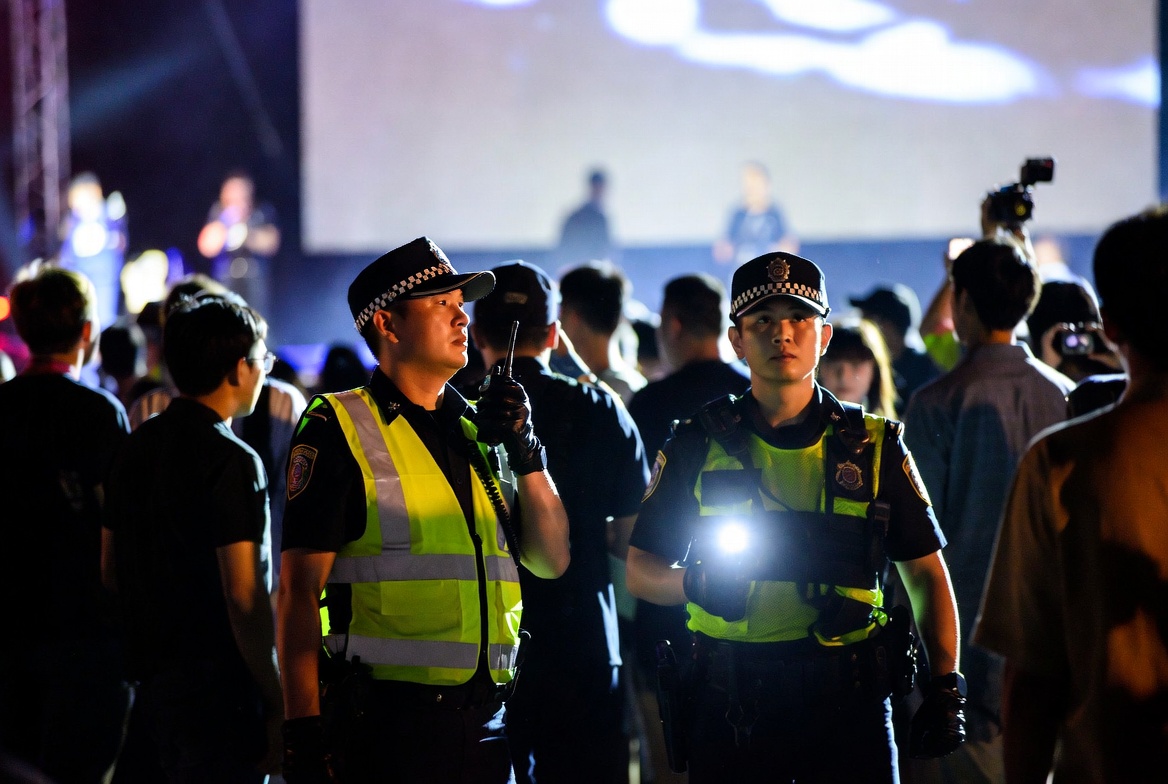
Crowd management is essential, particularly for large-scale events. High-density gatherings can quickly become dangerous if not properly supervised. Security personnel are trained to monitor crowd behavior, prevent bottlenecks, and guide attendees safely through the venue.
Proper crowd control involves:
-
Clearly marked entry and exit points
-
Visible signage
-
Barrier placement to direct foot traffic
-
Monitoring for signs of distress or agitation
By maintaining order and calmly addressing conflicts, professional security guards help prevent panic, injuries, and disruptions.
5. Communication and Coordination
Strong communication is the backbone of effective security management. Security teams must maintain constant communication with event organizers, venue staff, emergency responders, and local law enforcement if necessary.
Using two-way radios, mobile communication devices, and centralized command points ensures quick response to incidents. Clear reporting systems allow team members to escalate concerns immediately. Regular updates and briefings during the event help maintain situational awareness and coordinated action.
6. Emergency Preparedness and Response
No matter how well an event is planned, emergencies can still occur. Professional security management focuses on readiness and rapid response. Security teams are trained to handle medical emergencies, fire outbreaks, power failures, evacuations, and other unexpected incidents.
Preparedness includes:
-
Clearly marked emergency exits
-
Accessible first-aid stations
-
Fire safety equipment
-
Trained personnel in basic first aid and emergency procedures
Having a structured response plan minimizes chaos and ensures that emergencies are handled efficiently and calmly.
7. Professionalism and Customer Service
Event security is not only about enforcement—it is also about maintaining a welcoming atmosphere. Professional security guards balance vigilance with approachability. They provide directions, assist guests, and manage concerns politely and respectfully.
A calm and professional presence reassures attendees and enhances their overall experience. When security personnel interact courteously and confidently, they build trust and maintain a positive environment.
8. Post-Event Evaluation
Professional security management does not end when the event concludes. Conducting a post-event evaluation helps identify strengths and areas for improvement. Reviewing incident reports, staff feedback, and overall performance ensures continuous improvement for future events.
This reflection process allows organizers and security teams to refine strategies, enhance training, and strengthen preparedness for upcoming gatherings.
Conclusion
Ensuring event safety requires careful planning, skilled personnel, and proactive management. From risk assessment and access control to crowd management and emergency response, every element plays a vital role in protecting people and property. Professional security management transforms potential risks into controlled, manageable situations, allowing event organizers to focus on delivering memorable experiences. By prioritizing safety through structured principles and trained expertise, events can run smoothly, securely, and successfully from start to finish.