- 0
- 915 words
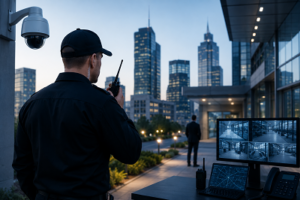
Modern security challenges are changing faster than ever before. Businesses, residential communities, public venues, and event organizers face a wide range of risks that require more than traditional security measures. From technological threats to changing public safety expectations, security companies must constantly evolve to provide effective protection. By embracing innovation, investing in professional training, and developing flexible security strategies, security providers continue to meet the demands of an ever-changing environment. Their ability to adapt ensures clients receive reliable protection while maintaining confidence and peace of mind.
Understanding Today’s Dynamic Security Landscape
The nature of security has expanded significantly over the past decade. While theft and vandalism remain common concerns, organizations must also prepare for cyber-assisted crimes, unauthorized access, workplace incidents, and emergency situations. Population growth, larger public gatherings, and increased use of technology have created more complex security requirements.
Professional security companies recognize that no two clients face identical risks. They begin by understanding the specific environment, identifying potential vulnerabilities, and creating customized security plans that address unique operational needs. This personalized approach allows businesses to stay prepared for both common and unexpected situations.
Investing in Continuous Professional Training
Highly trained security personnel are one of the strongest assets of any security company. As threats evolve, ongoing education becomes essential for maintaining high standards of service. Modern security officers receive regular training in emergency response, conflict resolution, customer service, risk assessment, and communication skills.
Many companies also provide specialized instruction for handling large events, commercial facilities, healthcare environments, construction sites, and residential communities. These training programs ensure officers remain confident when responding to changing situations while maintaining professionalism and calm decision-making under pressure.
Continuous learning helps security teams improve their awareness, strengthen response capabilities, and deliver dependable protection in diverse environments.
Embracing Advanced Security Technology
Technology has become an essential component of modern security operations. Security companies now combine experienced personnel with intelligent systems to create more comprehensive protection strategies. High-definition surveillance cameras, remote monitoring systems, access control solutions, mobile patrol tracking, and real-time reporting tools improve both efficiency and accountability.
Artificial intelligence is also helping security providers detect unusual activities more quickly by identifying patterns that may indicate potential risks. Mobile applications allow security officers to submit incident reports instantly, improving communication between clients, supervisors, and response teams.
Rather than replacing human expertise, technology enhances the ability of security professionals to make informed decisions and respond more effectively.
Customizing Security Solutions for Different Industries
Different industries face different security challenges, making flexibility a critical strength for professional security companies. Retail businesses require loss prevention strategies, while corporate offices focus on visitor management and employee safety. Construction sites often need overnight patrols to protect valuable equipment, and healthcare facilities require officers trained in patient interaction and emergency response.
By tailoring security services to each client’s environment, companies provide more efficient protection while reducing unnecessary costs. Customized planning allows security providers to address current risks without creating unnecessary disruptions to daily operations. This client-focused approach results in practical solutions that evolve alongside changing business needs.
Strengthening Emergency Preparedness
Unexpected emergencies can occur at any time, making preparation one of the most valuable services provided by professional security companies. Security officers receive training to manage medical incidents, fire evacuations, natural disasters, and public disturbances with confidence and efficiency.
Emergency response planning includes developing evacuation procedures, coordinating with emergency services, conducting regular safety drills, and maintaining clear communication protocols. These preparations reduce confusion during critical situations and help protect both people and property. By regularly reviewing emergency plans and updating procedures based on new risks, security companies remain prepared for a wide variety of challenging scenarios.
Building Strong Relationships Through Communication
Effective security extends beyond physical presence. Successful security companies prioritize communication with clients, employees, visitors, and emergency responders. Clear communication helps identify concerns early, resolve issues quickly, and maintain a safe environment for everyone involved.
Regular security assessments, performance reviews, and client feedback sessions enable providers to continuously improve their services. Open communication also helps businesses understand emerging risks and implement proactive safety measures before problems develop. Strong partnerships built on trust and transparency allow security companies to deliver more responsive and effective protection over time.
Focusing on Prevention Rather Than Reaction
One of the biggest changes in modern security is the shift from reactive responses to proactive prevention. Rather than simply responding after an incident occurs, professional security companies focus on identifying risks before they become serious problems.
Routine patrols, visible security presence, surveillance monitoring, risk assessments, and regular inspections all contribute to preventing incidents from occurring. Preventive strategies not only reduce potential losses but also create a safer and more welcoming environment for employees, customers, and visitors.
A proactive mindset helps organizations maintain business continuity while minimizing disruptions caused by security incidents.
Preparing for the Future of Security
The security industry will continue evolving as technology advances and new challenges emerge. Future security solutions are expected to include greater integration of artificial intelligence, predictive analytics, smart surveillance systems, and data-driven risk management. Despite these technological developments, the human element will remain essential. Professional judgment, ethical decision-making, and strong communication cannot be replaced by technology alone.
Organizations seeking dependable protection benefit most from partnering with experienced security providers that continuously adapt to changing environments. Companies such as Security Hire Melbourne demonstrate the importance of combining highly trained personnel, modern technology, customized planning, and proactive risk management to deliver reliable security solutions that meet today’s evolving safety challenges while preparing for tomorrow’s uncertainties.
Author

admin@theperiodictimes.online