- 0
- 945 words
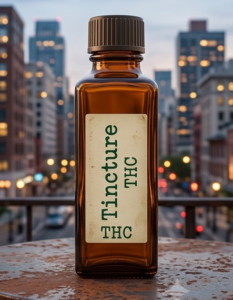
THC tinctures offer an alternative to traditional cannabis consumption methods, providing a liquid format that can be measured and administered in small amounts. For beginners, understanding how THC tinctures work, how sublingual administration differs from other methods, and what precautions to consider can help support more informed decisions. Learning about their ingredients, effects, and proper storage is also important before considering any THC-containing product.
What Are THC Tinctures?
THC tinctures are liquid cannabis products containing tetrahydrocannabinol (THC), the compound responsible for many of cannabis’s intoxicating effects. They typically contain a cannabis extract combined with a carrier liquid, such as a suitable oil or alcohol-based solution. Product formulations, concentrations, and additional ingredients vary between manufacturers.
Many tinctures come in small bottles equipped with droppers, allowing users to measure liquid quantities more consistently. However, the amount of liquid does not automatically indicate the amount of THC it contains. Checking the product label for concentration, serving information, and testing details is essential.
Unlike smoking or vaping, tinctures do not require inhalation. This distinction may appeal to adults who prefer not to expose their respiratory systems to cannabis smoke or aerosol.
Understanding Sublingual Administration
Sublingual administration means placing a liquid beneath the tongue, where it can contact the tissues inside the mouth. These tissues contain blood vessels that can absorb certain substances into the bloodstream.
When a THC tincture is administered sublingually, some THC may enter circulation through the oral tissues. However, some of the liquid is usually swallowed, meaning absorption can also occur through the digestive system.
This mixed absorption pathway helps explain why the effects of tinctures can vary. The formulation, amount used, individual metabolism, and whether the liquid is swallowed can all influence the experience.
Sublingual administration should not be confused with swallowing a tincture immediately. Although both methods involve a liquid product, they may produce different onset times and experiences.
How Long Do THC Tinctures Take to Work?
The onset of THC effects depends on several factors, including the product’s formulation, individual physiology, and administration method. Some people may notice effects sooner after sublingual use, while others may experience a slower onset.
When THC is swallowed, it passes through the digestive system and is processed by the liver. This process can delay the onset and produce effects that differ from those associated with absorption through oral tissues.
Effects from swallowed THC products may take around 30 minutes to two hours or longer to become noticeable, and they can persist for several hours. Sublingual products may act sooner, but there is no guaranteed timeline.
One important precaution is to avoid taking additional THC simply because the initial effects have not appeared. Delayed onset can lead to unexpectedly intense or prolonged effects.
Measuring THC Content and Understanding Labels
Reading product labels is an important step in understanding THC tinctures. Labels may display the total THC content in the bottle, the concentration per millilitre, or the amount contained in a stated serving.
For example, a bottle containing 300 mg of THC in 30 mL of liquid has a concentration of 10 mg per millilitre. This calculation illustrates why bottle size alone cannot determine potency.
Beginners should not assume that a full dropper represents a standard serving across different products. Dropper sizes and THC concentrations can vary, so the manufacturer’s instructions and product-specific information matter.
Where permitted, choosing products with clear ingredient lists and independent laboratory testing can help consumers assess potency and product quality. Testing may also provide information about contaminants and whether the product meets applicable standards.
Potential Effects and Safety Considerations
THC can affect perception, coordination, memory, attention, and reaction time. Some individuals may experience relaxation, while others may encounter anxiety, dizziness, confusion, or an increased heart rate. The response can differ considerably from one person to another.
Several precautions are particularly important:
- Avoid combining THC with alcohol or other intoxicating substances.
- Do not drive, cycle in traffic, or operate machinery while impaired.
- Keep tinctures securely stored away from children and pets.
- Consult a qualified healthcare professional about possible medication interactions or existing health concerns.
- Avoid THC during pregnancy or breastfeeding.
People who are unfamiliar with cannabis should be especially cautious because sensitivity to THC varies, and an unpleasant reaction can occur even when a product appears straightforward to use.
Storage and Product Quality
Proper storage helps preserve the quality of cannabis tinctures. Follow the manufacturer’s instructions regarding temperature, light exposure, and refrigeration. Many products should be kept in a tightly closed container away from direct sunlight and excessive heat.
Check the packaging for expiry information and storage recommendations. Do not use products with damaged packaging, unclear ingredient information, or signs of contamination. Keep the original label available so the product’s concentration and ingredients can be identified.
Consumers should also review local regulations before purchasing or possessing THC products. Legal requirements concerning age, possession limits, product standards, and online sales vary by jurisdiction.
Making an Informed Decision
THC tinctures can provide a measured liquid format without requiring inhalation, but they are not risk-free. Understanding sublingual absorption, recognizing delayed effects, checking THC concentrations, and following safety precautions are essential parts of responsible decision-making. Before choosing a product, review its ingredients, laboratory testing information, and manufacturer guidance. Adults considering cannabis for a medical concern should discuss potential benefits, risks, and interactions with a qualified healthcare professional rather than relying solely on product descriptions.
For adults in Canada where legally permitted, researching reputable, authorized retailers can help clarify product composition, testing standards, and purchasing requirements. Anyone planning to buy thc tincture online canada should verify the seller’s legal authorization, review the product’s THC concentration, and understand the applicable provincial or territorial rules before making a purchase.
Author

admin@theperiodictimes.online
Related Posts
How Event Security Helps Create a Safe and Controlled Environment
- 0
- 654 words
Organizing a successful event requires careful planning, effective coordination, and a strong focus on safety. Whether it is a corporate gathering, music...
Read out all
Japanese Garden Design Ideas for Peaceful Melbourne Outdoor Spaces
- 0
- 641 words
A Japanese-inspired garden offers a beautiful way to transform an outdoor space into a peaceful retreat. With its natural materials, thoughtful layouts,...
Read out allWhat Makes a Security Company the Best Choice in Melbourne?
- 0
- 567 words
Choosing a security provider is an important decision for businesses, property owners, event organisers, and individuals across Melbourne. Every property has different...
Read out allWhat Causes Gaps Between Teeth? Causes, Treatments, and Prevention
- 0
- 851 words
Gaps between teeth, medically known as diastema, are common and can occur in children and adults. A small space between the front...
Read out allTHC Weed Gummies in Canada: Flavours, Potency, and Product Options
- 0
- 881 words
Cannabis edibles have become an increasingly recognizable format for adults interested in cannabis products. Among the available choices, gummies are particularly notable...
Read out allTooth-Colored Fillings: What You Should Know Before Your Appointment
- 0
- 559 words
Tooth decay can develop when bacteria and plaque gradually damage the outer layers of a tooth. If decay is not treated, it...
Read out all