- 0
- 493 words
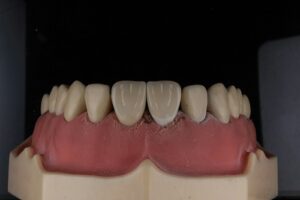
A dental crown is often recommended when a tooth has been weakened by decay, a large filling, root canal treatment, or a crack. While some people postpone treatment because the tooth is not causing pain, delaying a dental crown can allow the damage to worsen. A crown acts as a protective covering that restores strength, function, and appearance. Receiving treatment on time helps preserve your natural tooth and reduces the likelihood of more complex dental procedures later.
Delaying Treatment Can Lead to Tooth Fractures
A damaged tooth becomes more vulnerable every day it remains unprotected. Normal activities such as chewing, biting, or grinding can place enough pressure on the weakened tooth to cause additional cracks or even complete fractures. Once a fracture extends below the gumline, the tooth may no longer be restorable with a crown. In such cases, extraction could become the only practical solution. Early crown placement significantly increases the chances of saving the natural tooth for many years.
Increased Risk of Decay and Infection
When a compromised tooth is left untreated, bacteria can enter small cracks or damaged areas and continue spreading inside the tooth. This may lead to deeper decay, pulp inflammation, or an infection that reaches the tooth’s nerve. If infection develops, root canal therapy may become necessary before a crown can be placed. In severe situations, the infection can spread into surrounding tissues, making treatment more extensive, time-consuming, and expensive than it would have been initially.
Delays May Affect Your Bite and Oral Health
A weakened or damaged tooth can gradually change the way you chew, causing uneven pressure across your bite. Over time, this imbalance may contribute to jaw discomfort, tooth wear, or additional stress on nearby teeth. Missing or broken tooth structure can also trap food particles and plaque, increasing the risk of gum disease and cavities. Restoring the tooth promptly with a dental crown helps maintain proper bite alignment and supports overall long-term oral health.
Treatment Costs Can Increase Over Time
Many people delay getting a dental crown, hoping to save money, but postponing treatment often results in higher dental expenses. A simple restoration today may become a root canal, extraction, implant, or bridge tomorrow if the tooth continues to deteriorate. Early intervention usually involves fewer appointments, less invasive procedures, and a better long-term outcome. Protecting a weakened tooth before complications develop is generally the most cost-effective approach to maintaining a healthy smile.
Restoring Your Smile with Modern Dental Solutions
Modern dentistry offers durable and natural-looking restorations that help protect damaged or missing teeth while restoring comfort and confidence. If a tooth cannot be saved, dental bridges provide an effective option for replacing missing teeth and maintaining proper bite function. Patients seeking dental bridges in Lewisville, TX, can benefit from customized restorations designed to blend seamlessly with natural teeth while preventing neighboring teeth from shifting. Consulting an experienced dentist promptly helps determine the most appropriate treatment before minor dental concerns become more serious.
Author

admin@theperiodictimes.online
Related Posts
How Healthy Eating Habits Support Strong Teeth and Healthy Gums
- 0
- 803 words
Maintaining strong teeth and healthy gums involves more than brushing and flossing every day. The foods and beverages people consume also play...
Read out all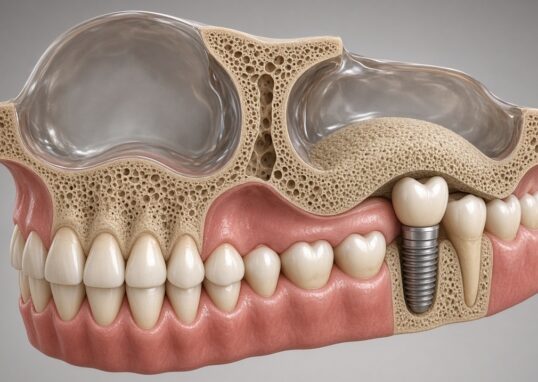
Sinus Lift Surgery: Why Upper Jaw Bone Grafting May Be Necessary
- 0
- 640 words
Sinus lift surgery is a dental procedure that helps prepare the upper jaw for implant placement when there is insufficient bone to...
Read out allTHC Tinctures and Sublingual Administration: A Beginner’s Guide
- 0
- 945 words
THC tinctures offer an alternative to traditional cannabis consumption methods, providing a liquid format that can be measured and administered in small...
Read out allHow Event Security Helps Create a Safe and Controlled Environment
- 0
- 654 words
Organizing a successful event requires careful planning, effective coordination, and a strong focus on safety. Whether it is a corporate gathering, music...
Read out all
Japanese Garden Design Ideas for Peaceful Melbourne Outdoor Spaces
- 0
- 641 words
A Japanese-inspired garden offers a beautiful way to transform an outdoor space into a peaceful retreat. With its natural materials, thoughtful layouts,...
Read out allWhat Makes a Security Company the Best Choice in Melbourne?
- 0
- 567 words
Choosing a security provider is an important decision for businesses, property owners, event organisers, and individuals across Melbourne. Every property has different...
Read out all