- 0
- 593 words
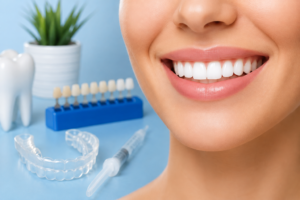
Teeth whitening is one of the most popular cosmetic dental treatments for creating a brighter, more confident smile. However, the results can be affected by what you do before and after the procedure. Avoiding common mistakes can help reduce sensitivity, protect your enamel, and maintain your brighter smile for longer. Whether you choose professional whitening or an at-home option, proper preparation and aftercare are important.
1. Ignoring Existing Dental Problems
One of the biggest mistakes is whitening your teeth without addressing existing dental concerns. Cavities, gum irritation, cracked teeth, or other oral health problems may make whitening uncomfortable or unsuitable. A dental professional can examine your teeth and gums before treatment and determine whether whitening is appropriate. Addressing these concerns first can make the whitening experience safer and more comfortable.
2. Overusing Whitening Products
Using whitening products more frequently or for longer than recommended does not necessarily produce better results. Excessive whitening can increase tooth sensitivity and irritate the gums. Always follow the product instructions or your dentist’s recommendations. Professional guidance can also help you choose an appropriate whitening method based on your dental needs and desired results.
3. Drinking Staining Beverages Before Treatment
Your eating and drinking habits can influence the appearance of your teeth. Before whitening, it is wise to limit beverages that can contribute to staining, such as coffee, tea, red wine, and dark-colored soft drinks. Smoking and tobacco use can also contribute to discoloration. Reducing these habits can support better whitening results.
4. Eating Staining Foods Immediately After Whitening
Teeth can be more vulnerable to staining shortly after whitening. Consuming foods and drinks with strong colors may reduce the longevity of your results. Coffee, berries, tomato-based sauces, curry, tea, and red wine are common examples. Following your dentist’s dietary recommendations after treatment can help your smile remain bright.
5. Ignoring Tooth Sensitivity
Some people experience temporary sensitivity after teeth whitening. A common mistake is ignoring discomfort and continuing to use whitening products aggressively. If sensitivity develops, follow your dentist’s recommendations and avoid unnecessary whitening treatments until your teeth feel comfortable again. Using products designed for sensitive teeth may also help when recommended by a dental professional.
6. Forgetting About Daily Oral Hygiene
Whitening does not replace regular dental care. Brushing twice daily, cleaning between your teeth, and maintaining regular dental checkups are essential for keeping your smile healthy and attractive. Plaque buildup can make teeth appear dull, while poor oral hygiene may contribute to gum problems and other dental concerns.
7. Expecting Whitening to Change Every Dental Restoration
Whitening treatments generally affect natural tooth enamel, but they do not typically change the color of restorations such as crowns, veneers, or fillings. If you have visible dental restorations, discuss your expectations with your dentist before treatment. Understanding what whitening can and cannot accomplish can help you achieve a more natural-looking result.
8. Skipping Professional Advice
Every smile is different, so a whitening method that works well for one person may not be suitable for another. Consulting a dental professional before whitening can help identify potential concerns and determine the safest approach. Professional advice is especially valuable if you have sensitive teeth, dental restorations, or a history of oral health problems.
Conclusion
Teeth whitening can enhance your smile, but avoiding common mistakes is essential for achieving satisfying and lasting results. Prepare your teeth properly, follow recommended treatment instructions, limit staining foods and beverages after whitening, and maintain good oral hygiene. Most importantly, seek professional guidance when necessary. With the right approach and consistent care, you can enjoy a brighter smile while supporting your overall oral health.
Author

admin@theperiodictimes.online
Related Posts
How Does Red Congolese Strain Compare With Other Sativa Strains?
- 0
- 540 words
Sativa strains are often appreciated for their uplifting character, distinctive aromas, and ability to provide an enjoyable experience during daytime or social...
Read out all5 Common Problems Caused by a Missing Molar
- 0
- 505 words
A missing molar may seem like a minor dental issue, especially when it is located toward the back of the mouth and...
Read out all
Cold Therapy for Runners: Why Revitalice Is a Smart Investment
- 0
- 605 words
Running is one of the most rewarding forms of exercise, but it also places significant stress on muscles, joints, and connective tissues....
Read out all
How Strength Athletes Use Ice Baths to Reduce Muscle Soreness
- 0
- 817 words
Strength athletes constantly push their bodies through intense training sessions that place stress on muscles, joints, and the nervous system. Heavy squats,...
Read out all
How to Identify High-Quality Weed Shatter
- 0
- 917 words
Cannabis concentrates have become increasingly popular among experienced consumers, and shatter remains one of the most recognized forms on the market. Known...
Read out allThe Role of Dental Implants in Restoring Your Smile
- 0
- 867 words
A healthy smile plays an important role in your confidence, appearance, and overall oral health. Missing teeth can affect the way you...