- 0
- 1,071 word
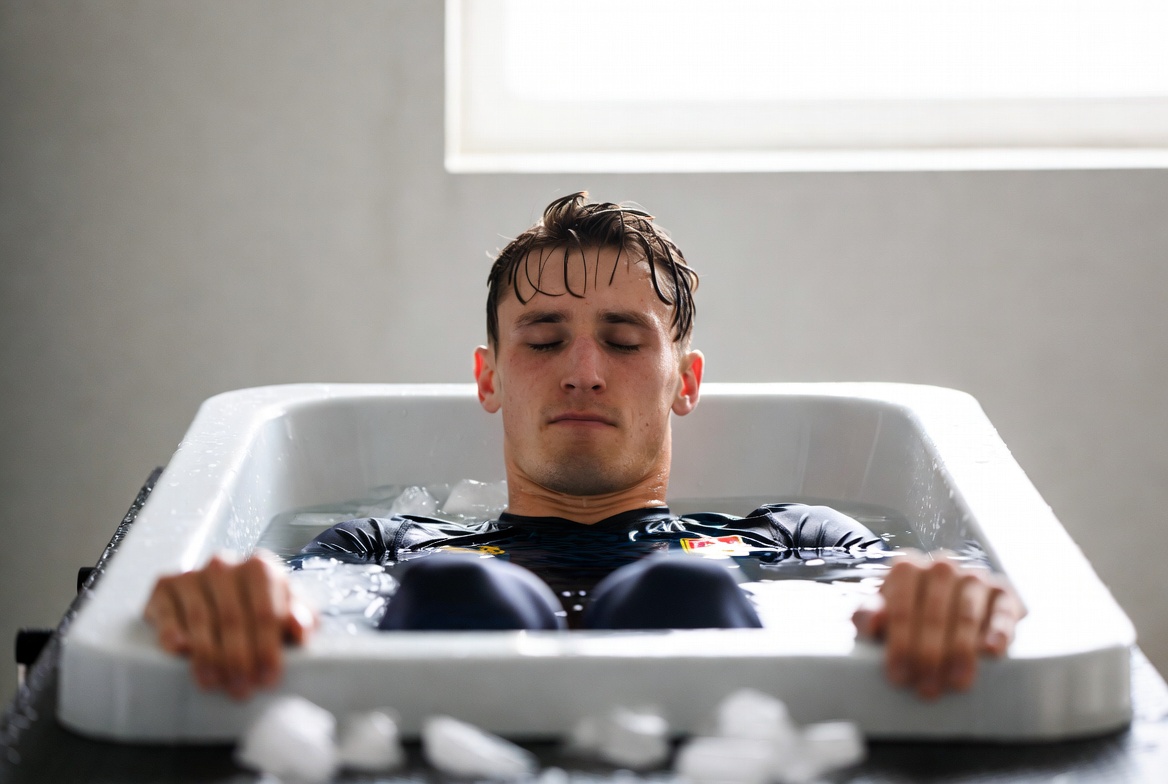
Recovery is an essential part of every fitness routine. Whether you enjoy weightlifting, running, cycling or high-intensity interval training, giving your body enough time to recover can help you maintain consistent performance and prepare for your next workout. One recovery method gaining popularity among athletes and fitness enthusiasts is cold water immersion, commonly known as ice bathing. With portable ice baths, this practice is becoming easier to incorporate into everyday life.
Portable ice baths offer a convenient way to experience cold water therapy at home, in a garden or near a home gym. But how can they support post-workout recovery, and what should you know before using one?
What Is a Portable Ice Bath?
A portable ice bath is a compact tub designed to hold cold water for immersion. Unlike traditional built-in plunge pools, portable models can often be assembled, moved and stored more easily, making them suitable for homes with limited space.
Depending on the model, a portable ice bath may be inflatable, collapsible or constructed with a durable insulated frame. Some can be used with ice cubes, while others can connect to a dedicated chiller to maintain a consistent water temperature.
For people who exercise regularly, a portable ice bath provides a practical way to explore cold water immersion without installing a permanent recovery facility.
1. May Help Reduce Muscle Soreness
Delayed-onset muscle soreness (DOMS) is common after unfamiliar or intense exercise. It typically develops several hours after a workout and may peak within 24 to 72 hours. Symptoms can include tenderness, stiffness and temporary difficulty moving comfortably.
Cold water immersion may help reduce the perception of muscle soreness following strenuous exercise. The cooling effect can temporarily influence pain perception and may help some people feel more comfortable during recovery.
Using a portable ice bath after a demanding training session can therefore become part of a recovery routine, particularly after endurance events or physically challenging workouts.
However, individual responses vary, and cold immersion does not eliminate muscle damage or guarantee faster recovery.
2. May Help Manage Post-Exercise Inflammation
Intense exercise can trigger temporary inflammatory responses as the body adapts to physical demands. Although this process is a normal part of recovery, it can contribute to soreness and discomfort.
Cold water immersion may influence some aspects of the body’s inflammatory response and help manage perceived post-workout discomfort. The pressure of being immersed in water may also contribute to changes in circulation.
It is important to understand that inflammation is not always harmful. It plays a role in tissue repair and adaptation, so reducing it is not necessarily beneficial in every situation.
For athletes who need to feel comfortable between demanding sessions, an ice bath may offer a useful recovery option when used appropriately.
3. Supports a Consistent Recovery Routine
One of the biggest advantages of portable ice baths is convenience. When recovery equipment is easy to access, it may be simpler to build a consistent routine around exercise.
A portable model can be placed near a home gym, on a suitable outdoor surface or in another convenient location. Many designs can also be drained and stored when not in use.
This flexibility makes cold water immersion accessible to people who do not have access to specialist sports recovery facilities.
Alongside adequate sleep, hydration, balanced nutrition and rest days, a portable ice bath can form one part of a broader approach to physical recovery.
4. May Help Athletes Feel Ready for Their Next Session
For athletes with frequent training sessions or competitions, perceived recovery can be particularly important. Cold water immersion may help reduce feelings of fatigue and soreness, allowing some individuals to feel more prepared for subsequent exercise.
This can be especially relevant during tournaments, endurance events or periods when training schedules are demanding.
However, feeling recovered does not always mean that muscles have fully repaired or that performance has returned to baseline. It is still important to pay attention to fatigue, training intensity and rest requirements.
There is also a consideration for people focused on building muscle. Regular cold-water immersion immediately after resistance training may interfere with some long-term muscle growth adaptations. Those prioritising muscle development may prefer to use other recovery methods or discuss timing with a qualified exercise professional.
5. Offers a Convenient Home Recovery Solution
Portable ice baths can make cold water therapy more accessible without requiring a dedicated spa or permanent plunge pool.
Depending on the design, useful features may include insulation, a protective cover, a drainage valve and compatibility with a water chiller. These features can help simplify setup, temperature management and routine maintenance.
When choosing a portable ice bath, consider the available space, tub capacity, ease of cleaning and the time required to prepare the water. If you plan to use it frequently, an insulated model or compatible chiller may be more convenient than repeatedly adding ice.
Always follow the manufacturer’s instructions for installation, water treatment and maintenance to help keep the bath clean and ready for use.
How to Use a Portable Ice Bath Safely After Exercise
Cold water immersion should be introduced gradually, particularly if you are new to the practice. Start with cool rather than extremely cold water and keep initial sessions brief. A common starting approach is around 10–15°C for a few minutes, provided this feels comfortable and is appropriate for your circumstances.
Avoid treating longer or colder sessions as automatically more effective. Monitor how you feel, exit if you experience numbness, dizziness, unusual discomfort or difficulty breathing, and warm up gradually afterwards.
Do not use an ice bath alone if you are inexperienced, and avoid alcohol or other substances that impair judgement before immersion. People with cardiovascular conditions, circulation problems, Raynaud’s phenomenon or other relevant medical concerns should consult a healthcare professional before trying cold water immersion.
Remember that an ice bath is an optional recovery tool, not a replacement for sleep, proper nutrition, hydration and sensible training progression.
Conclusion
Portable ice baths offer a practical way to incorporate cold water immersion into a post-workout recovery routine. They may help reduce perceived muscle soreness, manage discomfort and support feelings of readiness between demanding training sessions. Their compact design and flexible setup also make them appealing for home gyms and active lifestyles.
For the best results, choose a suitable portable ice bath, use it safely and consider your individual fitness goals. When combined with established recovery practices, cold water immersion can be a useful addition to a balanced approach to exercise and wellbeing.
Author

admin@theperiodictimes.online
Related Posts
What Factors Influence Shatter Prices in Canada?
- 0
- 611 words
Shatter is a cannabis concentrate known for its glass-like appearance, brittle texture, and concentrated cannabinoid content. In Canada, its retail price can...
Read out all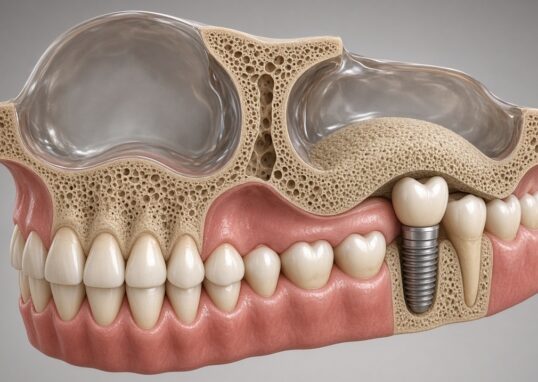
Sinus Lift Surgery: Why Upper Jaw Bone Grafting May Be Necessary
- 0
- 640 words
Sinus lift surgery is a dental procedure that helps prepare the upper jaw for implant placement when there is insufficient bone to...
Read out allHow to Recognize the First Symptoms of a Tooth Infection
- 0
- 645 words
A tooth infection can develop when harmful bacteria enter the inner tissues of a tooth through untreated decay, cracks, dental injuries, or...
Read out allHow Does Red Congolese Strain Compare With Other Sativa Strains?
- 0
- 540 words
Sativa strains are often appreciated for their uplifting character, distinctive aromas, and ability to provide an enjoyable experience during daytime or social...
Read out all5 Common Problems Caused by a Missing Molar
- 0
- 505 words
A missing molar may seem like a minor dental issue, especially when it is located toward the back of the mouth and...
Read out allTop Mistakes to Avoid Before and After Teeth Whitening
- 0
- 593 words
Teeth whitening is one of the most popular cosmetic dental treatments for creating a brighter, more confident smile. However, the results can...
Read out all