- 0
- 771 words
In today’s fast-paced world, stress has become a constant companion. Long work hours, digital overload, family responsibilities, and lack of downtime can slowly erode our mental well-being. While professional therapy and vacations are valuable, many people are discovering that meaningful stress relief can begin right at home. One of the most effective and sustainable ways to nurture mental health is by incorporating daily spa rituals into your routine.
Creating a spa-like experience at home isn’t about luxury alone—it’s about intention, self-care, and consistency. Simple rituals practiced daily can calm the nervous system, improve mood, and help you reconnect with yourself.

The Mind-Body Connection and Stress
Stress doesn’t only affect the mind; it manifests physically as muscle tension, headaches, fatigue, and sleep disturbances. When stress becomes chronic, it can increase anxiety, lower immunity, and disrupt emotional balance. Spa rituals work because they address both the mind and body simultaneously.
Warm water, soothing scents, gentle touch, and quiet environments activate the parasympathetic nervous system—the body’s natural “rest and digest” mode. This shift helps lower cortisol levels, slow the heart rate, and create a sense of safety and relaxation.
Daily Spa Rituals That Support Mental Health
1. Warm Baths and Hydrotherapy
A warm bath at the end of the day can be transformative. Immersing your body in warm water relaxes muscles, improves circulation, and signals your brain to unwind. Adding Epsom salts can further reduce muscle tension and support relaxation, while essential oils like lavender or eucalyptus enhance the calming effect.
Hydrotherapy, even in simple forms, helps wash away mental fatigue and creates a pause between the demands of the day and restful sleep.
2. Aromatherapy for Emotional Balance
Scents have a direct connection to the brain’s limbic system, which controls emotions and memory. Incorporating aromatherapy into your daily routine—through candles, diffusers, or bath oils—can significantly impact mood.
-
Lavender promotes calm and better sleep
-
Citrus scents boost energy and positivity
-
Sandalwood and chamomile reduce anxiety
Using aromatherapy consistently helps create emotional anchors that signal relaxation and comfort.
3. Mindful Skincare and Self-Massage
Turning skincare into a ritual rather than a chore can have powerful mental health benefits. Slow, intentional movements during cleansing or moisturizing act as a form of self-massage, releasing facial tension and promoting mindfulness.
Self-massage with oils or lotions before bed helps reduce stress hormones and encourages body awareness. This gentle physical connection reinforces self-compassion and grounding—key components of emotional well-being.
4. Creating a Calming Environment
Your surroundings play a major role in stress levels. A spa-inspired environment doesn’t require expensive renovations—small changes make a big difference. Soft lighting, neutral colors, calming music, and clutter-free spaces create a sense of order and peace.
Even dedicating a single corner of your home to relaxation—whether for bathing, stretching, or meditation—can become a mental refuge from daily stress.
5. Steam, Heat, and Deep Relaxation
Heat therapy is known to relax muscles, ease joint stiffness, and promote mental clarity. Steam showers, warm compresses, or heated foot soaks improve circulation and encourage deep relaxation.
Heat also supports better sleep by helping regulate body temperature, which is essential for mental recovery and emotional stability.
The Psychological Benefits of Consistency
The true power of daily spa rituals lies in consistency. When practiced regularly, these rituals become predictable moments of calm in an otherwise chaotic day. This predictability reduces anxiety, improves emotional regulation, and builds resilience against stress.
Daily rituals also reinforce a positive relationship with yourself. Taking time each day for intentional care sends a powerful message: your well-being matters. Over time, this mindset improves self-esteem, patience, and emotional balance.
Stress Relief Beyond Relaxation
Spa rituals don’t just help you relax in the moment—they improve long-term mental health outcomes. Regular relaxation practices have been linked to reduced anxiety, improved sleep quality, enhanced focus, and better mood regulation.
They also encourage mindfulness, pulling attention away from worries about the future or regrets about the past and anchoring you in the present moment.
Experience Stress Relief at Homeat Home with a Hot Tub Spas
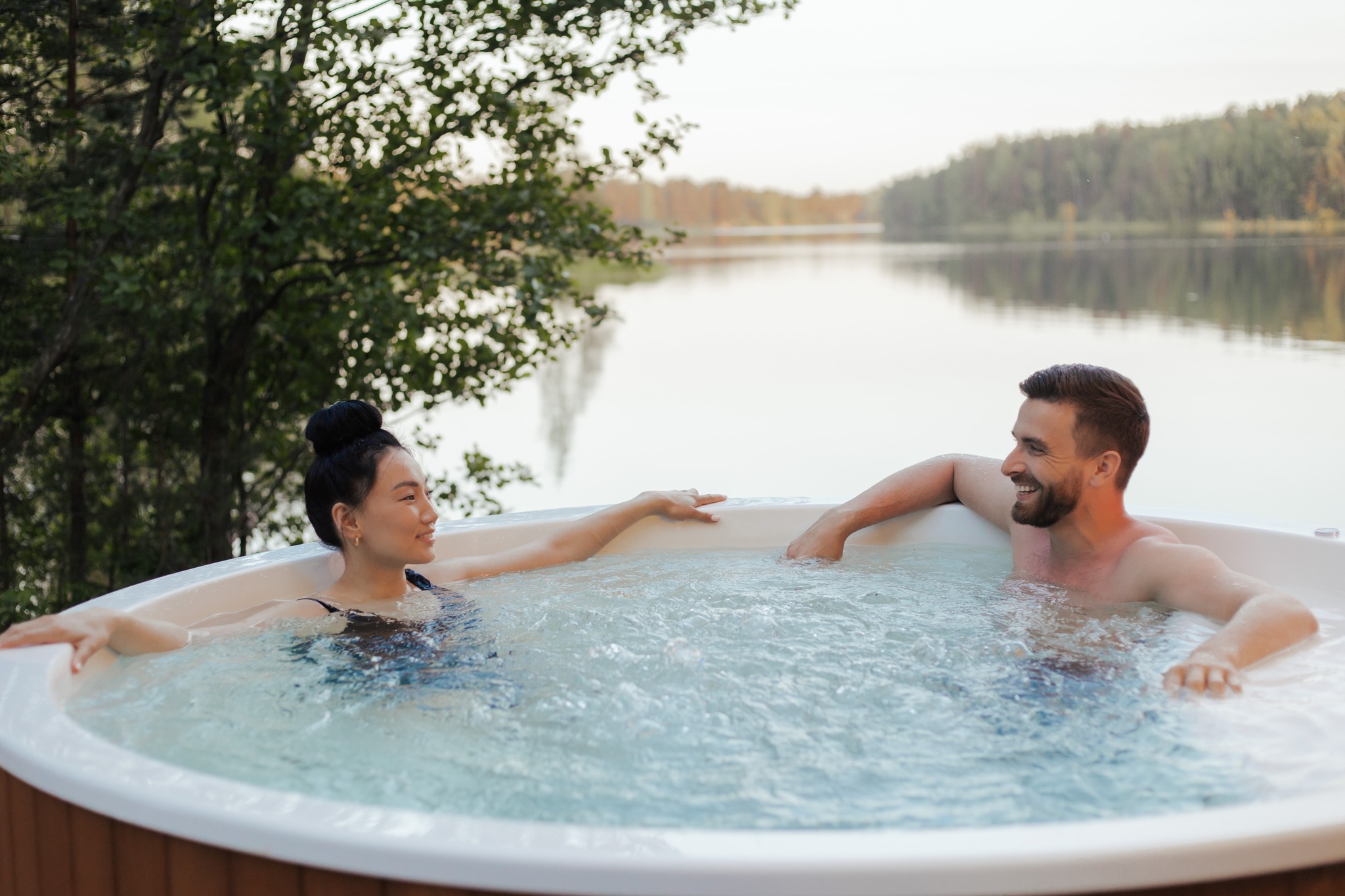
For those looking to elevate their daily spa rituals, a hot tub spa offers an unmatched level of relaxation and mental renewal. The combination of warm water, buoyancy, and massaging jets provides deep muscle relief while calming the mind. Regular hot tub use helps reduce stress, ease anxiety, improve sleep quality, and create a dedicated space for daily unwinding. Whether used alone for quiet reflection or shared with loved ones, a hot tub spa transforms your home into a true wellness retreat—making stress relief not an occasional luxury, but a daily way of life.
Author

admin@theperiodictimes.online
Related Posts
What Factors Influence Shatter Prices in Canada?
- 0
- 611 words
Shatter is a cannabis concentrate known for its glass-like appearance, brittle texture, and concentrated cannabinoid content. In Canada, its retail price can...
Read out all
How Portable Ice Baths Can Support Post-Workout Recovery
- 0
- 1,071 word
Recovery is an essential part of every fitness routine. Whether you enjoy weightlifting, running, cycling or high-intensity interval training, giving your body...
Read out all
Sinus Lift Surgery: Why Upper Jaw Bone Grafting May Be Necessary
- 0
- 640 words
Sinus lift surgery is a dental procedure that helps prepare the upper jaw for implant placement when there is insufficient bone to...
Read out allHow to Recognize the First Symptoms of a Tooth Infection
- 0
- 645 words
A tooth infection can develop when harmful bacteria enter the inner tissues of a tooth through untreated decay, cracks, dental injuries, or...
Read out allHow Does Red Congolese Strain Compare With Other Sativa Strains?
- 0
- 540 words
Sativa strains are often appreciated for their uplifting character, distinctive aromas, and ability to provide an enjoyable experience during daytime or social...
Read out all5 Common Problems Caused by a Missing Molar
- 0
- 505 words
A missing molar may seem like a minor dental issue, especially when it is located toward the back of the mouth and...
Read out all