- 0
- 851 words
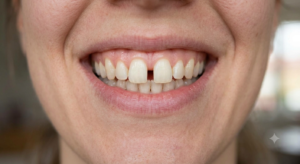
Gaps between teeth, medically known as diastema, are common and can occur in children and adults. A small space between the front teeth may simply be a natural part of someone’s smile, while larger or newly developing gaps can sometimes indicate changes in oral health. Understanding what causes these spaces and how they can be treated helps people make informed decisions about maintaining a healthy, confident smile.
Common Causes of Gaps Between Teeth
Several factors can contribute to spaces developing between teeth. Genetics is one of the most common reasons. Some people naturally have smaller teeth, larger jawbones, or a combination of both, which can leave noticeable spaces. The size and position of the frenum, the small fold of tissue connecting the upper lip to the gum, can also influence spacing. If this tissue extends farther between the front teeth, it may contribute to a gap. Missing teeth are another important cause.
When a tooth is absent, neighboring teeth can gradually shift into the available space. This movement may affect the appearance of the smile and, in some cases, the way the teeth meet during biting. Childhood habits may also play a role. Prolonged thumb sucking or similar habits can place pressure on developing teeth and contribute to changes in their position. Tongue thrusting, where the tongue repeatedly pushes against the front teeth during swallowing, can also influence tooth spacing.
Gum disease should not be overlooked. Healthy gums and supporting bone help keep teeth stable. When periodontal disease causes inflammation and loss of supporting tissues, teeth may become loose or begin moving apart. A gap that develops suddenly or becomes noticeably larger should therefore be evaluated by a dental professional.
Can Gaps Affect Oral Health?
Not every gap requires treatment. Some spaces are purely cosmetic and do not interfere with chewing, speaking, or maintaining good oral hygiene. However, certain gaps can make it easier for food to become trapped, which may increase plaque accumulation around the teeth and gums.
When spacing is associated with gum disease, loose teeth, or an underlying bite problem, addressing the cause is more important than simply closing the visible gap. Regular dental examinations can help determine whether a space is harmless or requires further evaluation.
Treatment Options for Gaps Between Teeth
Treatment depends on the cause, size, location, and overall condition of the teeth and gums. For minor cosmetic spaces, dental bonding can provide a conservative option. A tooth-colored composite material is carefully applied and shaped to improve the appearance of the teeth without extensive removal of natural tooth structure. Porcelain veneers may be considered when patients want to address spacing along with other cosmetic concerns, such as tooth shape or discoloration. Veneers are thin restorations placed over the front surfaces of teeth and require careful evaluation to determine whether they are appropriate.
Orthodontic treatment is another common approach. Braces or clear aligners can gradually move teeth into a more balanced position. This option may be particularly suitable when several teeth are involved or when spacing is connected to a bite issue.
If an oversized frenum contributes to a persistent gap, a dentist may evaluate whether a minor soft-tissue procedure is appropriate. Treatment is usually considered alongside orthodontic care when both the tissue and tooth positions contribute to the space. When a gap results from a missing tooth, replacing that tooth can restore function while helping maintain the alignment of surrounding teeth. Depending on the individual situation, options may include a dental bridge, removable denture, or implant-supported restoration.
Preventing Gaps From Getting Worse
Some causes of spacing cannot be prevented because they are related to genetics or natural tooth development. However, maintaining good oral hygiene can help protect the gums and supporting tissues that keep teeth stable.
Brushing twice daily with fluoride toothpaste, cleaning between teeth regularly, limiting frequent sugary snacks, and attending routine dental examinations can reduce the risk of gum disease and tooth loss. Children should also receive guidance about habits such as thumb sucking and tongue thrusting if these behaviors continue beyond the usual developmental stage.
People should also avoid trying to close gaps with DIY dental products or applying pressure to teeth at home. Moving teeth without professional supervision can damage the gums, roots, or supporting bone.
When Should a Gap Be Checked?
A dental evaluation is particularly important when a gap appears suddenly, becomes wider, or occurs alongside bleeding gums, swelling, bad breath, tooth mobility, or discomfort. These signs may indicate an underlying periodontal or structural problem that needs attention.
A dentist can examine the teeth, gums, bite, and supporting structures to identify the reason for the spacing. Once the cause is understood, treatment can be selected according to the patient’s oral health, cosmetic goals, and long-term needs.
Gaps between teeth are often manageable with the right approach. Whether the goal is improving appearance, restoring function, or protecting oral health after tooth loss, professional assessment helps ensure treatment addresses the underlying cause rather than only the visible space. For patients with missing teeth, dental implant treatment may provide a stable, natural-looking option for restoring both function and smile appearance
Author

admin@theperiodictimes.online