- 0
- 640 words
Sinus lift surgery is a dental procedure that helps prepare the upper jaw for implant placement when there is insufficient bone to support an implant. It is commonly recommended for patients who have lost upper back teeth and experienced bone loss over time. Understanding why this procedure is necessary can help patients make informed decisions about their oral health and restorative dental treatment.
What Is Sinus Lift Surgery?
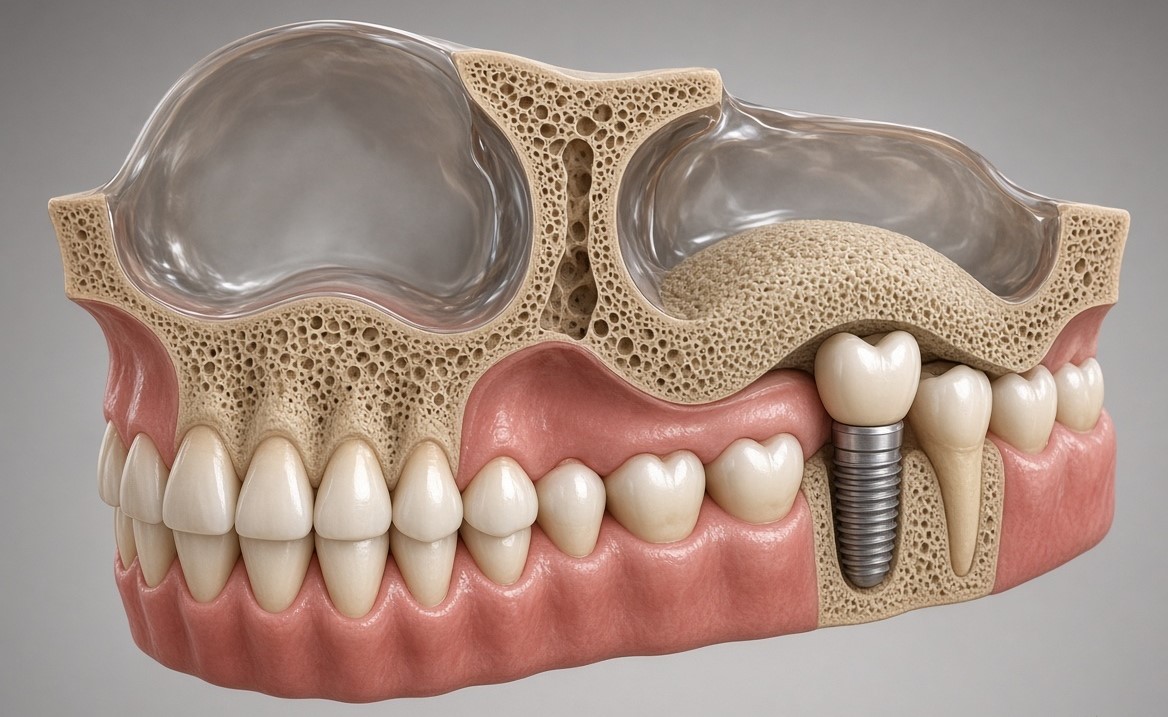
A sinus lift, also called sinus augmentation, is a bone grafting procedure that increases the amount of bone available in the upper jaw. The maxillary sinuses are air-filled spaces located above the upper back teeth. When these teeth are lost, the jawbone may gradually shrink, leaving limited space for implant placement.
During sinus lift surgery, a dentist or oral surgeon gently raises the sinus membrane and places bone grafting material beneath it. Over time, the graft integrates with the existing bone, creating a stronger foundation for future implant placement. The procedure is carefully planned to protect the sinus membrane and support predictable healing.
Why Is Upper Jaw Bone Grafting Necessary?
Several factors can contribute to insufficient bone in the upper jaw. Tooth loss is one of the most common reasons because the jawbone no longer receives the stimulation associated with normal chewing. As a result, the bone may gradually deteriorate.
Additionally, the upper jaw naturally has less dense bone in some areas, while the maxillary sinuses may expand following tooth loss. Advanced gum disease, dental infections, and previous tooth extractions can also contribute to bone loss.
When the available bone is too thin or shallow, placing an implant directly may compromise its stability or increase the risk of complications. A sinus lift helps create adequate bone height, allowing the dentist to determine whether implant placement is appropriate.
How Does the Sinus Lift Procedure Work?
The procedure begins with a dental examination and imaging, often including cone-beam computed tomography (CBCT), to evaluate bone volume, sinus anatomy, and surrounding structures.
Depending on the patient’s needs, the dentist may use a lateral window technique or a less invasive crestal approach. In both methods, the sinus membrane is gently elevated, and bone grafting material is placed in the space beneath it.
The surgical site is then protected to support healing. Some patients may qualify for simultaneous implant placement, while others need to wait until sufficient bone has developed. The recommended approach depends on the amount of existing bone, the grafting technique, and individual healing factors.
What Is the Recovery Process Like?
Mild swelling, tenderness, and minor bleeding may occur after surgery. These symptoms generally improve as healing progresses. Patients should follow the dentist’s instructions, take prescribed medications as directed, and maintain gentle oral hygiene.
Avoiding smoking, strenuous activity during the initial recovery period, and forceful nose blowing is often recommended. Sneezing with the mouth open may also help reduce pressure on the sinus area. Patients should contact their dental provider if they experience worsening pain, persistent bleeding, fever, or unusual fluid passage between the mouth and nose.
Bone maturation can take several months, depending on the graft and individual circumstances. Follow-up appointments help the dentist monitor healing and determine when implant placement can proceed safely.
Supporting Long-Term Dental Health
Sinus lift surgery can make implant treatment possible for patients who lack sufficient upper jawbone. However, not everyone requires this procedure. A comprehensive examination helps determine whether bone grafting, an alternative implant approach, or another restorative option is most suitable.
Maintaining healthy gums, treating dental infections promptly, and attending regular dental checkups can also support long-term oral health. For patients with missing upper teeth, a carefully planned dental implant treatment following sinus augmentation may help restore chewing function, improve stability, and support a natural-looking smile. Consulting an experienced dental professional is the best way to understand individual treatment needs and develop an appropriate care plan.
Author

admin@theperiodictimes.online
Related Posts
THC Tinctures and Sublingual Administration: A Beginner’s Guide
- 0
- 945 words
THC tinctures offer an alternative to traditional cannabis consumption methods, providing a liquid format that can be measured and administered in small...
Read out allHow Event Security Helps Create a Safe and Controlled Environment
- 0
- 654 words
Organizing a successful event requires careful planning, effective coordination, and a strong focus on safety. Whether it is a corporate gathering, music...
Read out all
Japanese Garden Design Ideas for Peaceful Melbourne Outdoor Spaces
- 0
- 641 words
A Japanese-inspired garden offers a beautiful way to transform an outdoor space into a peaceful retreat. With its natural materials, thoughtful layouts,...
Read out allHow to Recognize the First Symptoms of a Tooth Infection
- 0
- 645 words
A tooth infection can develop when harmful bacteria enter the inner tissues of a tooth through untreated decay, cracks, dental injuries, or...
Read out allWhat Makes a Security Company the Best Choice in Melbourne?
- 0
- 567 words
Choosing a security provider is an important decision for businesses, property owners, event organisers, and individuals across Melbourne. Every property has different...
Read out allWhat Causes Gaps Between Teeth? Causes, Treatments, and Prevention
- 0
- 851 words
Gaps between teeth, medically known as diastema, are common and can occur in children and adults. A small space between the front...
Read out all