- 0
- 1,312 word
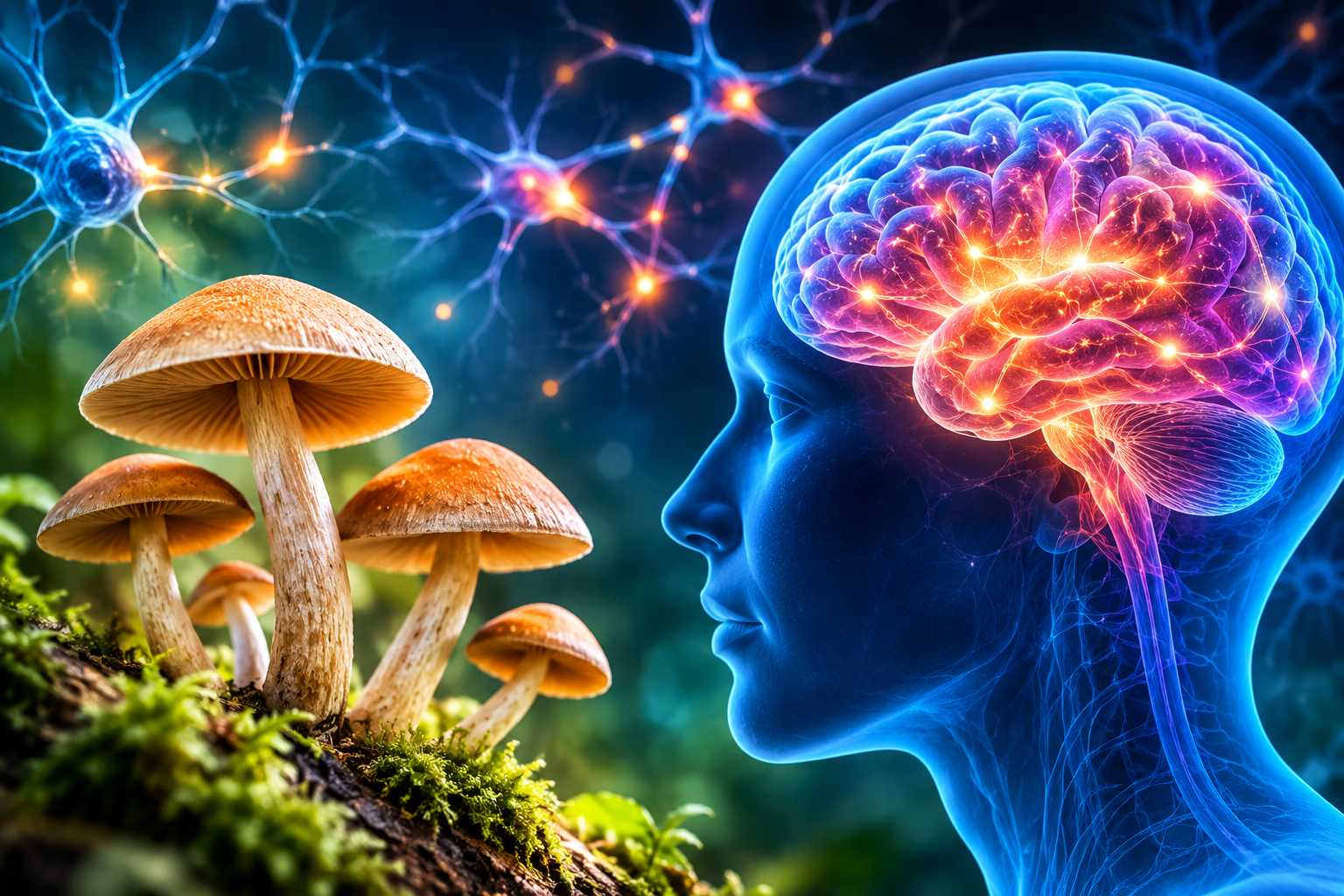
Magic mushrooms are known for their mind-altering effects and have attracted attention from researchers interested in understanding how they influence the human brain. These mushrooms contain a naturally occurring psychedelic compound called psilocybin, which changes the way the brain processes information, emotions, and sensory experiences. People may experience changes in their thoughts, perception of time, mood, and awareness.
But what actually happens inside the brain after someone consumes magic mushrooms? Understanding how psilocybin interacts with brain chemicals and neural networks can help explain both the short-term effects and the potential risks associated with these substances.
1. Understanding Psilocybin and the Brain
Psilocybin is the primary psychoactive compound found in many species of psychedelic mushrooms. After entering the body, it is converted into another compound called psilocin, which is responsible for most of its psychological effects.
Psilocin interacts with serotonin receptors in the brain, particularly the 5-HT2A receptor. Serotonin is a chemical messenger that plays an important role in regulating mood, sleep, appetite, emotions, and cognitive functions.
By influencing these receptors, psilocin changes how different areas of the brain communicate with one another. This can produce unusual thoughts, altered sensory experiences, emotional changes, and shifts in perception.
2. Changes in Brain Communication
One of the most interesting effects of magic mushrooms is the way they influence communication between different brain regions.
Normally, the brain operates through organised networks that manage specific functions, including memory, attention, movement, and decision-making. Under the influence of psilocybin, communication patterns between these networks can change.
Some brain regions that do not usually communicate closely may become more connected, while certain established communication patterns may become less organised.
These changes can contribute to experiences such as unusual associations between ideas, unexpected thoughts, and different ways of interpreting surroundings.
3. Effects on Mood and Emotions
Magic mushrooms can significantly influence emotional processing. Some people report feelings of happiness, excitement, connection, or wonder, while others may experience sadness, fear, confusion, or anxiety.
These emotional changes are linked to psilocybin’s interaction with serotonin receptors and its influence on brain networks involved in emotional regulation.
Research has also examined how psilocybin may affect emotional responses and negative thought patterns. Some clinical studies suggest that carefully supervised psilocybin therapy may help certain people with depression or anxiety.
However, these findings do not mean that magic mushrooms are a proven or suitable treatment for everyone. Clinical research involves controlled conditions, professional supervision, and careful participant screening.
4. Changes in Sensory Perception
Another noticeable effect of magic mushrooms is the way they change sensory experiences. Psilocybin can influence how the brain interprets information received through the eyes, ears, and other senses.
People may experience:
-
Colours appearing brighter or more intense.
-
Patterns and shapes seeming to move or change.
-
Sounds feeling unusually clear or different.
-
Music creating stronger emotional responses.
-
A distorted sense of time and distance.
-
Difficulty separating imagination from reality.
These experiences happen because the brain processes sensory information differently under the influence of psilocybin. The effects can be fascinating for some individuals but confusing or frightening for others.
5. The Default Mode Network and Sense of Self
The default mode network (DMN) is a group of interconnected brain regions associated with self-reflection, remembering the past, imagining the future, and thinking about personal experiences.
Researchers have become particularly interested in how psilocybin affects this network.
Studies using brain imaging have found that psilocybin temporarily changes communication within the default mode network. Its usual patterns of activity become less organised, allowing different brain networks to interact in unusual ways.
This may explain why some people report experiencing a reduced sense of personal identity or feeling deeply connected to their surroundings. This experience is sometimes described as ego dissolution.
A 2024 study published in Nature found that psilocybin significantly altered communication across several brain regions, particularly those connected to the default mode network. Most activity patterns returned towards normal within days, although some connectivity changes remained detectable for several weeks.
6. Effects on Memory, Attention, and Thinking
Magic mushrooms can also influence cognitive functions, including memory, concentration, and decision-making.
During the psychedelic experience, people may find it difficult to concentrate on ordinary tasks or follow complicated conversations. Their thoughts may move quickly between different subjects, and familiar situations may seem unfamiliar.
Psilocybin can also affect how memories and emotions are experienced. Some individuals report remembering past events with unusual emotional intensity or thinking about personal situations from a different perspective.
However, these changes do not necessarily mean that memory or thinking abilities improve. In fact, impaired attention, confusion, and difficulty making decisions are recognised short-term effects.
The scientific understanding of these cognitive changes is still developing, and researchers continue to investigate how different brain networks contribute to them.
7. Can Magic Mushrooms Change the Brain in the Long Term?
One of the biggest questions surrounding psilocybin is whether its effects on the brain continue after the immediate psychedelic experience ends.
Some scientific studies suggest that psilocybin may influence neuroplasticity, which refers to the brain’s ability to adapt, form new connections, and reorganise its activity.
Researchers are investigating whether these changes could help explain why some participants in clinical studies report improvements in mood and changes in negative thinking patterns after supervised psilocybin treatment.
A 2024 NIH-reported study found that most brain connectivity changes following psilocybin gradually returned towards baseline within days. However, certain changes involving the default mode network and hippocampus remained detectable for at least three weeks.
National Institutes of Health (NIH)+1
It is important to understand that these findings do not establish that magic mushrooms permanently improve brain function. More research is needed to understand the duration, significance, and possible consequences of these changes.
8. Potential Risks and Negative Effects on the Brain
Although researchers are studying the possible therapeutic applications of psilocybin, magic mushrooms can also produce unwanted psychological effects.
The experience can be unpredictable, and its effects may vary depending on individual health, surroundings, and other factors.
Possible negative effects include:
-
Anxiety and panic: Some people experience intense fear or overwhelming emotions.
-
Paranoia: Individuals may develop suspicious thoughts or feel unsafe.
-
Confusion: Changes in perception can make it difficult to understand surroundings.
-
Hallucinations: Seeing or hearing things that are not actually present can affect judgement.
-
Impaired decision-making: Altered thinking can lead to unsafe choices.
-
Psychological distress: Some experiences may be frightening and emotionally difficult.
People with certain psychiatric conditions or a family history of psychotic disorders may face additional risks. In some cases, persistent perceptual disturbances or other psychological problems can occur.
Mixing magic mushrooms with other substances can also increase the likelihood of unexpected effects.
9. What Does Scientific Research Say About Psilocybin?
Scientific interest in psilocybin has increased because of its potential role in mental health research. Researchers are investigating whether its effects on serotonin receptors, emotional processing, and brain connectivity could help explain improvements reported by some participants with depression and other mental health conditions.
Clinical studies generally involve controlled environments, trained professionals, psychological support, and careful screening.
However, research is still ongoing. Scientists do not yet fully understand how psilocybin produces its psychological effects or which individuals might benefit from supervised treatment.
These findings should not be considered a recommendation to use magic mushrooms independently. Psilocybin can carry significant psychological and physical risks, particularly without appropriate medical supervision.
Conclusion
Magic mushrooms affect the brain primarily through psilocybin, which is converted into psilocin and interacts with serotonin receptors. This interaction changes communication between brain regions and can influence emotions, sensory perception, memory, attention, and the sense of self.
Although scientific research has identified interesting possibilities for understanding brain function and mental health treatment, important questions about long-term effects and safety remain unanswered. Learning about these effects helps provide a clearer picture of how psychedelic substances interact with the human brain.
Reference:
https://www.nih.gov/news-events/nih-research-matters/how-psychedelic-drugs-alter-brain
https://pubmed.ncbi.nlm.nih.gov/40456393
https://www.samhsa.gov/substance-use/learn/hallucinogens
https://www.nccih.nih.gov/health/psilocybin-for-mental-health-and-addiction-what-you-need-to-know
Author

admin@theperiodictimes.online
Related Posts
Top Things to Consider Before Buying Edibles Online
- 0
- 1,144 word
Edibles have become a popular option for adults interested in alternative cannabis consumption methods. Available in different flavours, formats, and strengths, these...
Read out allWhat Factors Influence Shatter Prices in Canada?
- 0
- 611 words
Shatter is a cannabis concentrate known for its glass-like appearance, brittle texture, and concentrated cannabinoid content. In Canada, its retail price can...
Read out all
Weed Caviar vs. Moon Rocks: What’s the Difference?
- 0
- 1,537 word
Cannabis concentrates come in many forms, each offering a different appearance, texture, and composition. Among the more distinctive options are weed caviar...
Read out all
Top 10 Popular Indica Strains Every Cannabis Enthusiast Should Know
- 0
- 690 words
Indica cannabis strains are widely recognised for their earthy aromas, distinctive flavours, and traditionally relaxing effects. Whether you are a beginner exploring...
Read out all
How to Choose a Cannabis Vape Pen for Your Needs
- 0
- 1,060 word
Cannabis vape pens have become a popular option for adults who prefer a convenient and discreet way to consume cannabis. With different...
Read out all
Types of Cannabis Kief Available Online in Canada
- 0
- 517 words
Cannabis kief is one of the simplest forms of cannabis concentrate. It consists primarily of the resin-rich trichomes that naturally grow on...
Read out all