- 0
- 615 words
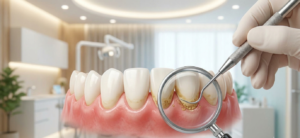
Healthy gums are essential for maintaining strong teeth and good oral health. However, plaque and tartar buildup along the gumline can lead to gum inflammation, bleeding, and periodontal disease if left untreated. Regular brushing and flossing help prevent these problems, but they may not be enough once bacteria accumulate below the gumline. Scaling and root planing is a professional dental procedure that helps control gum disease, reduce infection, and restore healthier gums.
Understanding Scaling and Root Planing
Scaling and root planing is a deep-cleaning dental procedure commonly recommended for patients with gum disease. Unlike routine dental cleaning, which focuses on removing plaque and tartar from visible tooth surfaces, this treatment also cleans areas beneath the gumline.
Scaling involves removing hardened tartar, plaque, and bacterial deposits from the teeth and periodontal pockets. Root planing smooths the tooth roots to remove contaminated deposits and create a cleaner surface. This helps gum tissue heal and makes it more difficult for bacteria to accumulate around the teeth.
How the Treatment Improves Gum Health
When bacteria collect beneath the gums, they can cause inflammation and gradually damage the supporting tissues around the teeth. Scaling and root planing targets these bacterial deposits to help control the infection.
By removing plaque and tartar from periodontal pockets, the procedure reduces the bacterial load responsible for gum irritation. As inflammation decreases, swollen and tender gums may become healthier and less likely to bleed during brushing or flossing.
Smoother root surfaces also make it easier for gum tissue to reattach to the teeth where possible. This helps improve the condition of the gums and supports better periodontal health.
Signs You May Need Scaling and Root Planing
Several symptoms can indicate the presence of gum disease and the need for professional evaluation. Common warning signs include red or swollen gums, bleeding during brushing, persistent bad breath, gum recession, and tenderness around the teeth.
Some patients may also notice that their teeth appear longer as gum tissue gradually recedes. However, gum disease can develop without noticeable symptoms during its early stages. Regular dental examinations and periodontal measurements help identify problems before significant damage occurs.
What to Expect During the Procedure
Before beginning treatment, a dentist examines the gums and measures periodontal pocket depths to determine the severity of the condition. Scaling and root planing may be completed over multiple appointments, depending on the amount of buildup and the areas requiring attention.
Local anesthesia may be used to improve comfort during the procedure. Specialized dental instruments or ultrasonic equipment help remove deposits from below the gumline and smooth the root surfaces.
After treatment, some patients experience temporary gum tenderness, mild swelling, or tooth sensitivity. These effects generally improve with proper aftercare. Following the dentist’s instructions, brushing gently, flossing regularly, and attending follow-up visits can support recovery.
Maintaining Healthy Gums After Treatment
Professional deep cleaning is an important step in managing periodontal disease, but maintaining the results requires consistent oral hygiene. Brushing twice daily with fluoride toothpaste, cleaning between teeth, and avoiding tobacco products can help reduce bacterial buildup.
Patients with a history of gum disease may also need periodontal maintenance visits at intervals recommended by their dentist. These appointments help monitor gum health and remove new deposits before they cause further damage.
Conclusion
Scaling and root planing plays an important role in controlling gum disease and protecting the tissues that support your teeth. With professional treatment, proper home care, and regular dental monitoring, patients can improve gum health and reduce the risk of further periodontal damage. Understanding the Benefits of Scaling and Root Planing can help patients make informed decisions about their oral health and take an important step toward maintaining healthier gums and a stronger smile.
Author

admin@theperiodictimes.online
Related Posts

Essential Spa Water Care Accessories: Chemical Feeders, Dispensers and More
- 0
- 1,240 word
Maintaining clean, clear and hygienic water is one of the most important parts of owning a hot tub or spa. Regular water...
Read out allHow Dental Implants Can Restore Missing Teeth and Improve Oral Health
- 0
- 992 words
Missing teeth can affect more than just the appearance of your smile. They can make everyday activities such as chewing, speaking, and...
Read out allTop Things to Consider Before Buying Edibles Online
- 0
- 1,144 word
Edibles have become a popular option for adults interested in alternative cannabis consumption methods. Available in different flavours, formats, and strengths, these...
Read out allHow to Protect Your Teeth and Gums During Stressful Times
- 0
- 621 words
Stress is a common part of everyday life, whether it comes from work pressure, personal responsibilities, financial concerns, or unexpected challenges. While...
Read out allUnderstanding Cannabis Crumble: Texture, Aroma, and Key Characteristics
- 0
- 641 words
Cannabis concentrates come in various forms, each offering distinctive textures, aromas, and characteristics. Among these options, cannabis crumble has gained recognition for...
Read out allWhat Factors Influence Shatter Prices in Canada?
- 0
- 611 words
Shatter is a cannabis concentrate known for its glass-like appearance, brittle texture, and concentrated cannabinoid content. In Canada, its retail price can...
Read out all