- 0
- 847 words
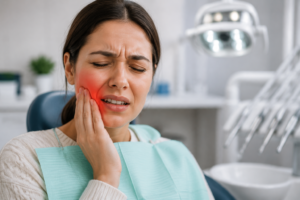
Tooth decay is one of the most common dental problems, affecting people of different ages. However, some individuals develop cavities more frequently than others, even when they follow similar oral hygiene routines. This happens because several factors influence how easily bacteria can damage tooth enamel. Diet, genetics, saliva production, oral hygiene habits, and existing dental conditions can all contribute to an increased risk of cavities. Understanding these factors can help people make informed decisions about their dental health and take steps to protect their teeth.
Understanding Tooth Decay
Tooth decay develops when bacteria in the mouth feed on sugars and carbohydrates left behind after eating and drinking. These bacteria produce acids that gradually weaken tooth enamel, the hard outer layer protecting the teeth. Over time, repeated acid attacks can cause enamel to lose minerals, eventually creating small holes known as cavities.
If tooth decay is not treated, it can progress into deeper layers of the tooth, potentially causing sensitivity, pain, infection, and damage that requires more extensive dental treatment. Although anyone can develop cavities, certain conditions make some people more vulnerable.
Genetic Factors and Tooth Structure
Genetics can influence an individual’s susceptibility to tooth decay. Some people naturally have deeper grooves and pits in their molars, making it easier for food particles and bacteria to become trapped. These areas can be difficult to clean thoroughly with a toothbrush.
Tooth enamel strength and composition may also vary between individuals. Certain inherited characteristics can influence enamel development, potentially affecting how well teeth resist acid attacks. However, genetics alone does not determine whether someone will develop cavities. Good oral hygiene and preventive dental care remain important for everyone.
Frequent Consumption of Sugary Foods and Drinks
Diet plays an important role in cavity development. Regularly consuming sweets, chocolates, biscuits, sugary beverages, and processed snacks provides oral bacteria with the sugars they use to produce harmful acids.
The frequency of sugar consumption is particularly important. Eating small amounts of sugary food throughout the day can expose teeth to repeated acid attacks, giving enamel less time to recover. Acidic beverages, including soft drinks and some fruit juices, can also contribute to enamel erosion.
Choosing nutritious foods, drinking water regularly, and limiting sugary snacks between meals can help reduce the risk of dental problems.
Reduced Saliva Production
Saliva provides natural protection against tooth decay. It helps wash away food particles, neutralise acids, and supply minerals such as calcium and phosphate that support enamel repair.
People who experience dry mouth may have a higher risk of developing cavities because their mouths produce insufficient saliva to provide these protective benefits. Reduced saliva production can occur due to certain medications, dehydration, medical conditions, and ageing.
Maintaining proper hydration and discussing persistent dry mouth with a dental professional can help identify suitable ways to manage the problem.
Inconsistent Oral Hygiene Habits
Poor brushing and flossing habits allow plaque to accumulate on tooth surfaces. Plaque is a sticky bacterial film that develops naturally in the mouth. When it is not removed regularly, bacteria continue producing acids that weaken enamel.
Brushing twice daily with fluoride toothpaste and cleaning between teeth using dental floss or suitable interdental brushes can help control plaque buildup. Fluoride strengthens enamel and makes teeth more resistant to acid attacks.
People who frequently skip brushing before bedtime may face additional risks because plaque and food particles remain on their teeth for extended periods.
Existing Dental Conditions and Medical Factors
Certain dental and medical conditions can increase cavity susceptibility. For example, exposed tooth roots caused by gum recession are more vulnerable to decay because root surfaces are not protected by the same hard enamel covering as the crowns of teeth.
Dental appliances, braces, and crowded teeth can also create areas where food and plaque collect. Additionally, some medications can reduce saliva production, indirectly increasing cavity risk.
People with diabetes may also experience changes in oral health that can contribute to gum problems and other dental complications. Regular dental assessments are important for identifying individual risk factors and receiving appropriate preventive advice.
The Importance of Regular Dental Checkups
Regular dental visits help identify early signs of tooth decay before they become more serious. Dentists can examine vulnerable areas, assess enamel condition, and recommend preventive treatments based on individual needs.
Professional fluoride applications and dental sealants may be beneficial for people who have a higher risk of developing cavities. Dental sealants provide a protective coating over the grooves of back teeth, helping prevent bacteria and food particles from collecting in these areas.
Early detection can also help reduce the need for more complex dental procedures.
Conclusion
Although some people are naturally more susceptible to cavities, everyday habits and preventive dental care can make a significant difference. Maintaining good oral hygiene, choosing balanced meals, drinking enough water, and attending regular dental appointments can help protect teeth from decay. Understanding personal risk factors is an important first step towards maintaining a healthier smile. Following these practical habits is among the most effective Ways to reduce the risk of tooth decay, helping individuals protect their enamel and maintain better long-term oral health.
Author

admin@theperiodictimes.online
Related Posts
How Concierge Security Guards Balance Customer Service and Property Protection
- 0
- 557 words
Security is an essential part of maintaining a safe, welcoming, and well-organised environment. In commercial buildings, residential complexes, hotels, and corporate offices,...
Read out allHow Healthy Eating Habits Support Strong Teeth and Healthy Gums
- 0
- 803 words
Maintaining strong teeth and healthy gums involves more than brushing and flossing every day. The foods and beverages people consume also play...
Read out all
Sinus Lift Surgery: Why Upper Jaw Bone Grafting May Be Necessary
- 0
- 640 words
Sinus lift surgery is a dental procedure that helps prepare the upper jaw for implant placement when there is insufficient bone to...
Read out allTHC Tinctures and Sublingual Administration: A Beginner’s Guide
- 0
- 945 words
THC tinctures offer an alternative to traditional cannabis consumption methods, providing a liquid format that can be measured and administered in small...
Read out allHow Event Security Helps Create a Safe and Controlled Environment
- 0
- 654 words
Organizing a successful event requires careful planning, effective coordination, and a strong focus on safety. Whether it is a corporate gathering, music...
Read out all
Japanese Garden Design Ideas for Peaceful Melbourne Outdoor Spaces
- 0
- 641 words
A Japanese-inspired garden offers a beautiful way to transform an outdoor space into a peaceful retreat. With its natural materials, thoughtful layouts,...
Read out all