- 0
- 817 words
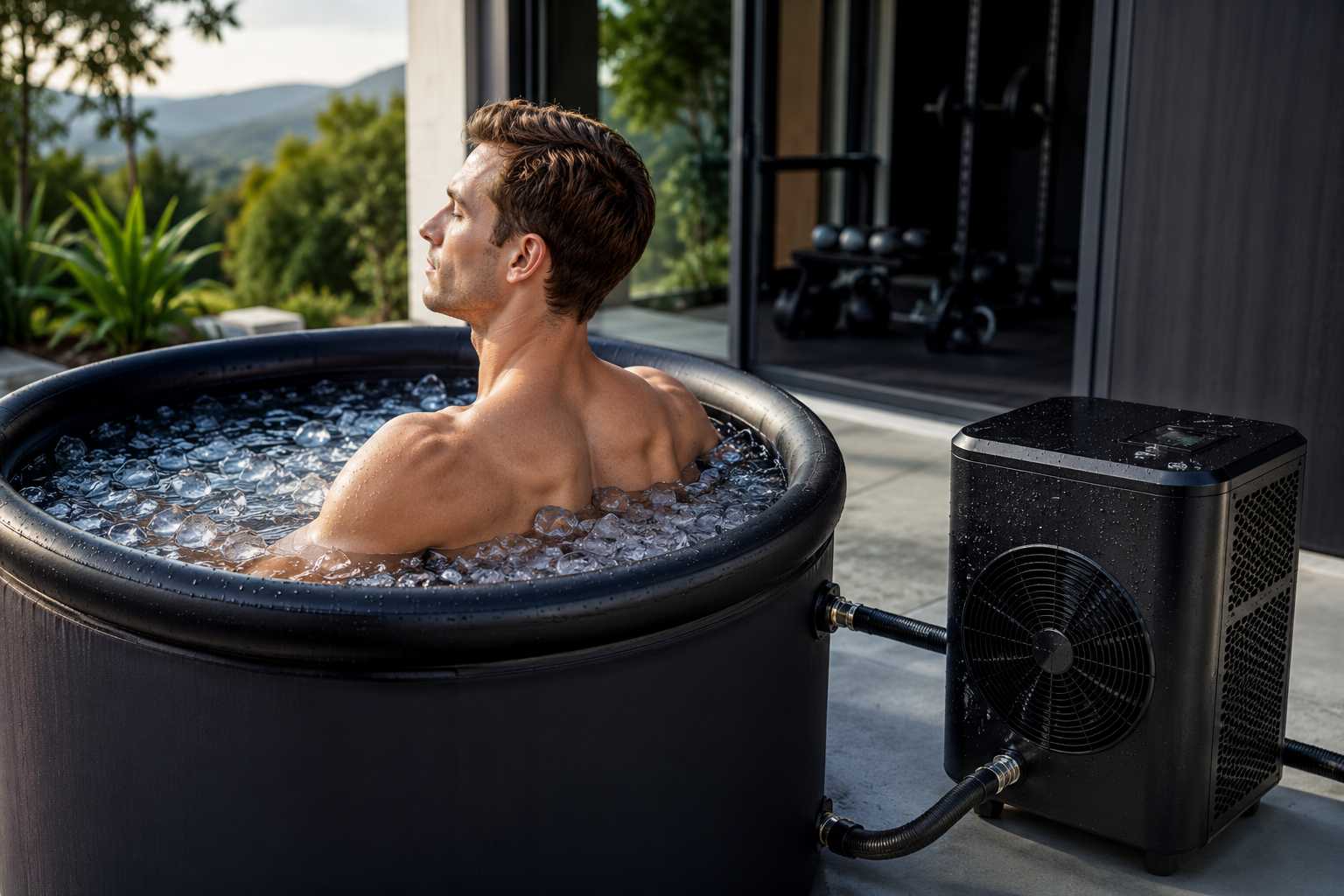
Strength athletes constantly push their bodies through intense training sessions that place stress on muscles, joints, and the nervous system. Heavy squats, deadlifts, Olympic lifts, strongman training, and high-volume gym workouts often lead to muscle soreness and fatigue. To recover faster and maintain performance, many athletes rely on cold water therapy, especially using an Ice Bath Chiller for consistent and controlled cooling.
Ice baths have become a common recovery strategy among powerlifters, bodybuilders, CrossFit athletes, and professional sports teams because they may help reduce soreness, inflammation, and post-workout discomfort. When used properly, an Ice Bath Chiller can make recovery sessions more effective and convenient.
What Causes Muscle Soreness?
After a demanding workout, muscles experience microscopic damage. This is a natural part of the muscle-building process, but it also creates inflammation and soreness known as Delayed Onset Muscle Soreness (DOMS). DOMS usually appears 12 to 24 hours after exercise and can last for several days depending on training intensity.
Strength athletes often train multiple times each week, which means recovery becomes just as important as the workout itself. If soreness is too severe, it can reduce performance, limit mobility, and increase the risk of injury. That is why recovery tools like an Ice Bath Chiller have gained popularity in modern athletic training.
How Ice Baths Help Recovery
Ice baths work by exposing the body to cold water temperatures, usually between 10°C and 15°C (50°F to 59°F). Cold exposure may help narrow blood vessels and reduce swelling in tired muscles. Once the athlete leaves the cold water, circulation increases again, which may help flush metabolic waste from the muscles.
Using an Ice Bath Chiller allows athletes to maintain precise water temperatures without constantly adding ice. This consistency is important because controlled cooling creates a more reliable recovery routine.
Many athletes report benefits such as:
- Reduced muscle soreness after intense training
- Faster recovery between workouts
- Improved feelings of freshness and readiness
- Reduced swelling and inflammation
- Better mental resilience and discipline
While research on cold therapy continues to evolve, many strength athletes include ice baths as part of a complete recovery plan that also includes sleep, hydration, stretching, and nutrition.
Why Strength Athletes Prefer an Ice Bath Chiller
Traditional ice baths require large amounts of ice, which can be expensive, inconvenient, and difficult to manage. An Ice Bath Chiller simplifies the process by cooling the water automatically and maintaining the desired temperature throughout the session.
This makes recovery easier for athletes who train consistently and need a dependable setup. Instead of guessing water temperatures or buying bags of ice daily, athletes can simply prepare the bath and begin recovery immediately.
Modern Ice Bath Chiller systems also offer features such as:
- Adjustable temperature settings
- Water filtration systems
- Easy maintenance
- Continuous circulation
- Energy-efficient cooling
For serious strength athletes, these features provide a professional-level recovery experience at home or in the gym.
How Athletes Use Ice Baths Effectively
Most strength athletes use ice baths shortly after training sessions, especially after lower-body workouts or high-volume lifting days. Recovery sessions typically last between 5 and 15 minutes depending on the athlete’s tolerance and experience level.
Beginners often start with slightly warmer temperatures and shorter durations before gradually adapting to colder water. Consistency is more important than extreme cold exposure.
A common recovery routine may include:
- Finishing a heavy training session
- Hydrating and cooling down briefly
- Entering the ice bath for 5–10 minutes
- Focusing on controlled breathing
- Warming up naturally afterward
Athletes using an Ice Bath Chiller can repeat this process several times each week without the hassle of preparing large amounts of ice.
Mental Benefits of Cold Exposure
Beyond physical recovery, many strength athletes value the mental challenge of cold immersion. Sitting in cold water requires focus, calm breathing, and mental control. Over time, athletes often develop greater resilience and discipline through repeated exposure.
This mental toughness can transfer into training and competition environments where focus and stress management are critical. For powerlifters, strongman competitors, and endurance athletes, mental recovery is just as important as physical recovery.
Combining Ice Baths With Other Recovery Methods
Although an Ice Bath Chiller can support muscle recovery, it works best when combined with other healthy recovery habits. Strength athletes often pair cold therapy with:
- High-quality sleep
- Proper protein intake
- Mobility training
- Massage or foam rolling
- Active recovery sessions
- Hydration and electrolyte balance
Recovery is a complete process, and ice baths are only one part of the bigger picture.
Final Thoughts
Strength athletes place enormous demands on their bodies, making recovery a critical part of long-term performance and progress. Ice baths have become a popular tool for reducing muscle soreness, improving recovery, and supporting consistent training schedules.
Using an Ice Bath Chiller makes the process more efficient, reliable, and accessible for athletes who want professional-level recovery without the inconvenience of traditional ice baths. Whether training for powerlifting, bodybuilding, CrossFit, or general fitness, cold water therapy can be a valuable addition to a smart recovery routine.
Author

admin@theperiodictimes.online
Related Posts
How Does Red Congolese Strain Compare With Other Sativa Strains?
- 0
- 540 words
Sativa strains are often appreciated for their uplifting character, distinctive aromas, and ability to provide an enjoyable experience during daytime or social...
Read out all5 Common Problems Caused by a Missing Molar
- 0
- 505 words
A missing molar may seem like a minor dental issue, especially when it is located toward the back of the mouth and...
Read out allTop Mistakes to Avoid Before and After Teeth Whitening
- 0
- 593 words
Teeth whitening is one of the most popular cosmetic dental treatments for creating a brighter, more confident smile. However, the results can...
Read out all
Cold Therapy for Runners: Why Revitalice Is a Smart Investment
- 0
- 605 words
Running is one of the most rewarding forms of exercise, but it also places significant stress on muscles, joints, and connective tissues....
Read out all
How to Identify High-Quality Weed Shatter
- 0
- 917 words
Cannabis concentrates have become increasingly popular among experienced consumers, and shatter remains one of the most recognized forms on the market. Known...
Read out allThe Role of Dental Implants in Restoring Your Smile
- 0
- 867 words
A healthy smile plays an important role in your confidence, appearance, and overall oral health. Missing teeth can affect the way you...