- 0
- 806 words
What Is Hydrotherapy? A Beginner’s Guide to Warm Water Healing
Hydrotherapy, often referred to as water therapy, is a natural healing method that uses water in various forms and temperatures to promote physical and mental well-being. From ancient Roman baths to modern-day spa treatments, hydrotherapy has long been valued for its ability to soothe the body, reduce pain, and encourage relaxation. Today, it’s widely accessible—whether through a simple warm bath at home or a luxurious hot tub experience.
Understanding Hydrotherapy
At its core, hydrotherapy involves the use of water—hot, warm, cool, or cold—for therapeutic purposes. The temperature, pressure, and movement of water all play important roles in how it affects the body. Warm water, in particular, is known for its calming effects, making it a popular choice for beginners.
When you immerse your body in warm water, several beneficial processes begin to occur. Blood vessels dilate, improving circulation and delivering more oxygen and nutrients to muscles and tissues. This helps relieve stiffness, reduce inflammation, and ease discomfort.
The Benefits of Warm Water Healing
Hydrotherapy offers a wide range of benefits, especially when warm water is used. One of the most immediate effects is muscle relaxation. After a long day or intense physical activity, soaking in a hot tub can help release tension and reduce soreness.
Another key benefit is pain relief. Warm water can alleviate joint pain, making hydrotherapy especially helpful for people dealing with arthritis or chronic conditions. The buoyancy of water also reduces pressure on joints, allowing for gentle movement and improved mobility.
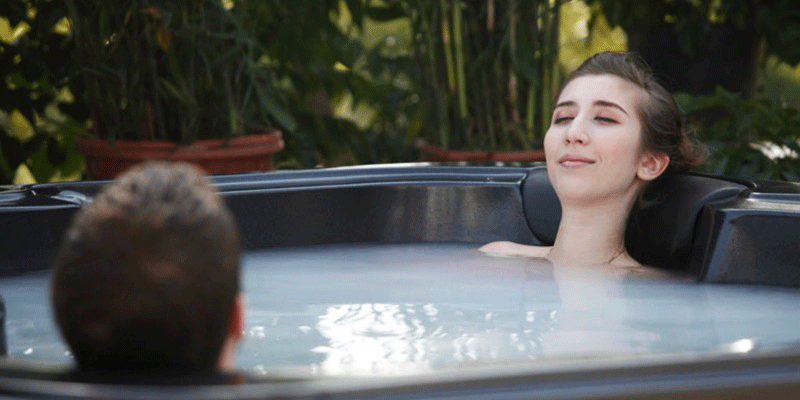
Stress reduction is another major advantage. Immersing yourself in warm water creates a calming environment that can lower cortisol levels—the hormone associated with stress. Many people find that spending even 15–20 minutes in a hot tub helps them feel more relaxed and mentally refreshed.
Additionally, hydrotherapy can improve sleep quality. A warm soak before bedtime helps regulate body temperature and signals to your brain that it’s time to rest, leading to deeper and more restorative sleep.
Different Forms of Hydrotherapy
Hydrotherapy isn’t limited to just one method. There are several ways to experience its benefits:
- Hot Tub Soaking: One of the most popular forms, a hot tub provides consistent warmth and often includes jets that massage muscles.
- Warm Baths: A simple and accessible option at home. Adding Epsom salts or essential oils can enhance the experience.
- Contrast Therapy: Alternating between hot and cold water to stimulate circulation and reduce inflammation.
- Steam Baths and Saunas: Though technically involving vapor rather than liquid water, these methods also fall under hydrotherapy due to their heat-based benefits.
- Aquatic Exercise: Performing gentle exercises in warm water pools to improve strength and flexibility without straining joints.
How to Get Started
If you’re new to hydrotherapy, starting is simple. You don’t need expensive equipment—a warm bath can be just as effective as a hot tub for beginners.
Begin by filling your tub with comfortably warm water, typically between 37°C to 40°C (98°F to 104°F). Avoid water that’s too hot, as it can cause dizziness or dehydration. Soak for about 15–20 minutes, allowing your body to gradually relax.
If you have access to a hot tub, take advantage of the built-in jets. These jets provide gentle massage, targeting areas like the back, shoulders, and legs. Adjust the pressure to your comfort level and focus on relaxing rather than overstimulating your muscles.
Safety Tips to Keep in Mind
While hydrotherapy is generally safe, it’s important to follow a few precautions:
- Stay hydrated before and after your session.
- Limit your time in hot water to avoid overheating.
- Avoid alcohol while using a hot tub.
- If you have medical conditions such as heart issues or low blood pressure, consult a healthcare professional before starting.
Pregnant individuals should also seek medical advice before engaging in hydrotherapy, especially when using high-temperature water.
Enhancing Your Hydrotherapy Experience
To make your sessions more enjoyable, consider creating a calming environment. Dim lighting, soft music, or aromatherapy can elevate your relaxation. Adding bath salts or essential oils like lavender or eucalyptus can further enhance the soothing effects.
You can also incorporate mindfulness practices such as deep breathing or meditation while soaking. This combination of physical relaxation and mental calm can significantly boost the overall benefits.
Final Thoughts
Hydrotherapy is a simple yet powerful way to support your health and well-being. Whether you choose a warm bath or a luxurious hot tub, the healing properties of water can help you relax, recover, and recharge. As a beginner, starting small and staying consistent is key.
With regular practice, hydrotherapy can become a valuable part of your self-care routine—offering both immediate comfort and long-term benefits. So the next time you’re feeling stressed or sore, consider stepping into warm water and letting its natural healing power do the work.
Author

admin@theperiodictimes.online
Related Posts

Muscle Recovery After Exercise: Why Athletes Love Hot Tubs
- 0
- 1,273 word
After an intense workout, your muscles often feel sore, stiff, and fatigued. Whether you’re a professional athlete, a weekend warrior, or someone...
Read out all
10 Signs Your Hot Tub Needs Professional Repair
- 0
- 892 words
A hot tub is a great way to relax, reduce stress, and enjoy quality time with family and friends. But like any...
Read out all
Ice Bath Chiller vs. Traditional Ice Baths: Which Is Better?
- 0
- 669 words
Cold therapy, also known as ice bathing or cold plunging, has become a popular recovery method among athletes, fitness enthusiasts, and...
Read out all
Creating a Backyard Relaxation Space with an Inflatable Hot Tub
- 0
- 778 words
Turning your backyard into a peaceful retreat does not always require expensive renovations or large installations. With thoughtful planning and the addition...
Read out all