- 0
- 559 words
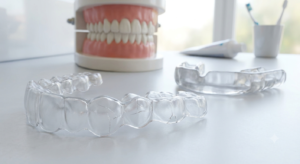
Bruxism, commonly known as teeth grinding or clenching, can affect people during both the day and night. Some individuals may not even realize they grind their teeth until a dentist notices signs such as worn enamel, sensitivity, or small cracks. If you are considering orthodontic treatment, you may wonder whether bruxism can make the process more complicated. While teeth grinding may require additional care, it does not automatically prevent someone from receiving orthodontic treatment.
How Bruxism Can Affect Your Teeth
Regular grinding places repeated pressure on the teeth and surrounding structures. Over time, this pressure can cause enamel wear, tooth sensitivity, small fractures, and changes in the shape of the teeth. Severe bruxism may also contribute to jaw discomfort, headaches, or tenderness around the facial muscles. Because orthodontic treatment involves gradually changing the position of the teeth, existing damage caused by grinding may need to be considered before treatment begins.
Why Bruxism May Require Extra Planning
Orthodontic treatment works by applying controlled pressure to move teeth into healthier positions. Bruxism creates additional forces through frequent clenching and grinding. This means the dental professional may need to carefully evaluate the condition of the teeth, gums, bite, and jaw before creating a treatment plan. In some cases, addressing tooth wear or other dental concerns first can help create a safer and more predictable orthodontic experience.
Can Clear Aligners Be Used With Bruxism?
People with bruxism may still be candidates for clear aligner treatment. However, the condition should be discussed during the initial dental assessment. Clear aligners are designed to fit closely over the teeth, and grinding may place additional stress on the aligners. Depending on the severity of the bruxism, an orthodontic or dental professional may recommend closer monitoring or adjustments to the treatment plan.
It is also important to follow instructions regarding how long aligners should be worn and how they should be cared for. Damaged, cracked, or excessively worn aligners may not fit correctly and could affect the progress of treatment. Patients should contact their dental provider if they notice significant damage or changes in how an aligner fits.
Monitoring Progress During Treatment
Regular dental appointments become especially important when bruxism is present. During these visits, the dental professional can check whether the teeth are moving as planned and look for signs of excessive wear or damage. Monitoring the bite can also help identify whether grinding is affecting treatment progress. If problems develop, the treatment approach can be modified to better suit the patient’s needs.
Patients can also support their oral health by maintaining good dental hygiene, avoiding habits that put unnecessary pressure on the teeth, and following their provider’s recommendations. Managing factors that contribute to clenching and grinding may also be helpful, particularly when stress or poor sleep habits are involved.
A Personalized Approach Can Help
Bruxism does not necessarily mean that orthodontic treatment is impossible. However, it does mean that treatment may require more careful assessment and regular monitoring. Every person’s teeth, bite, and grinding habits are different, so the best approach should be based on an individual examination rather than a one-size-fits-all solution.
If you grind or clench your teeth and are interested in improving your smile, speak with a qualified dental professional before beginning treatment. With appropriate planning, monitoring, and care, Invisalign Treatment may be an option for some people with bruxism.
Author

admin@theperiodictimes.online
Related Posts
How Healthy Eating Habits Support Strong Teeth and Healthy Gums
- 0
- 803 words
Maintaining strong teeth and healthy gums involves more than brushing and flossing every day. The foods and beverages people consume also play...
Read out all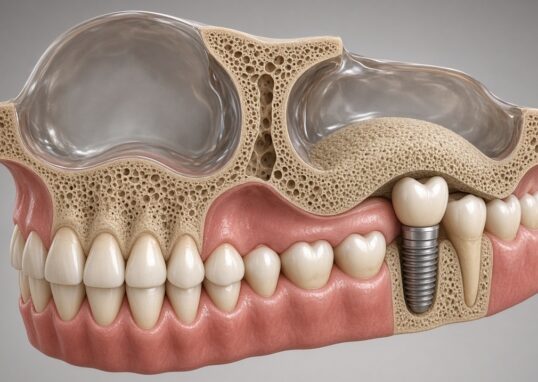
Sinus Lift Surgery: Why Upper Jaw Bone Grafting May Be Necessary
- 0
- 640 words
Sinus lift surgery is a dental procedure that helps prepare the upper jaw for implant placement when there is insufficient bone to...
Read out allTHC Tinctures and Sublingual Administration: A Beginner’s Guide
- 0
- 945 words
THC tinctures offer an alternative to traditional cannabis consumption methods, providing a liquid format that can be measured and administered in small...
Read out allHow Event Security Helps Create a Safe and Controlled Environment
- 0
- 654 words
Organizing a successful event requires careful planning, effective coordination, and a strong focus on safety. Whether it is a corporate gathering, music...
Read out all
Japanese Garden Design Ideas for Peaceful Melbourne Outdoor Spaces
- 0
- 641 words
A Japanese-inspired garden offers a beautiful way to transform an outdoor space into a peaceful retreat. With its natural materials, thoughtful layouts,...
Read out allWhat Makes a Security Company the Best Choice in Melbourne?
- 0
- 567 words
Choosing a security provider is an important decision for businesses, property owners, event organisers, and individuals across Melbourne. Every property has different...
Read out all