- 0
- 603 words
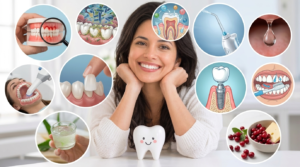
Many people think of dental health as something that depends only on brushing and visiting the dentist. However, the small choices we make throughout the day can also influence the condition of our teeth and gums. Some everyday habits may seem harmless, but when repeated regularly, they can contribute to plaque buildup, tooth sensitivity, enamel wear, or gum irritation. Understanding these habits can help you make simple changes that support a healthier smile.
Snacking Frequently Throughout the Day
Eating small snacks frequently can expose your teeth to acids more often, particularly when the foods contain sugars or refined carbohydrates. Every time you eat, bacteria in dental plaque can produce acids that temporarily affect the tooth surface. Instead of constantly grazing, try to keep regular meal times and choose nutritious snacks when needed. Drinking water afterward can also help wash away food particles and support normal saliva flow.
Drinking Sugary or Acidic Beverages
Soft drinks, energy drinks, fruit juices, and other acidic beverages can affect tooth enamel when consumed frequently. The combination of sugar and acidity may increase the risk of tooth decay and enamel erosion. Even drinks marketed as healthier alternatives can sometimes contain considerable amounts of sugar or acids. Water is a better everyday choice. If you do have an acidic drink, avoid brushing immediately afterward because softened enamel can be more vulnerable to abrasion.
Using Your Teeth as Tools
Opening packages, tearing tape, biting thread, or holding objects with your teeth may appear convenient, but these habits can put unnecessary pressure on teeth. A tooth can chip, crack, or become damaged when used for tasks it was never designed to perform. Keep scissors, bottle openers, and other appropriate tools nearby so your teeth do not become your go-to solution for everyday jobs.
Brushing Too Hard
Brushing is essential, but more pressure does not necessarily mean cleaner teeth. Aggressive brushing, particularly with a hard-bristled toothbrush, may irritate the gums and contribute to enamel or root-surface wear over time. Use a soft-bristled toothbrush and gentle, controlled movements. Spending enough time brushing all tooth surfaces is more important than applying excessive force.
Chewing Ice or Hard Objects
Chewing ice, pens, pencils, or other hard objects can place significant stress on teeth. Repeated pressure may lead to small cracks or damage existing dental restorations such as fillings and crowns. If you frequently feel the urge to chew something, consider switching to a safer alternative, such as sugar-free gum, depending on your individual dental needs.
Ignoring Dry Mouth
Saliva plays an important role in maintaining the mouth’s natural environment. It helps clear food particles, neutralize acids, and protect teeth. Dehydration, certain medications, mouth breathing, and other factors can contribute to dry mouth. Drinking water regularly can help, while persistent dryness should be discussed with a dental or medical professional because it may increase the risk of cavities and discomfort.
Delaying Dental Visits
Even people who brush and floss consistently can develop dental problems without obvious symptoms. Early cavities, gum problems, and damaged restorations may not always cause noticeable discomfort. Regular dental examinations allow potential issues to be identified before they become more complicated. Professional cleanings can also remove hardened deposits that cannot be effectively removed with routine brushing alone.
Small daily habits can make a meaningful difference over time. By limiting frequent snacking, choosing water more often, protecting your teeth from unnecessary pressure, brushing gently, and keeping up with dental visits, you can give your smile better long-term support. Paying attention to these simple routines is an important part of maintaining good oral health and keeping your teeth and gums comfortable for years to come.
Author

admin@theperiodictimes.online