- 0
- 972 words

Losing multiple teeth can affect much more than your smile. It can change the way you eat, speak, and feel about yourself. Missing teeth may also lead to jawbone loss, shifting of remaining teeth, and changes in facial appearance over time. Fortunately, full mouth reconstruction offers a comprehensive solution that restores both function and aesthetics. If you are exploring treatment options after significant tooth loss, understanding the benefits of a personalized reconstruction plan can help you make an informed decision.
Understanding Full Mouth Reconstruction
Full mouth reconstruction is a customized dental treatment plan designed to rebuild or replace most or all of the teeth in the upper and lower jaws. Rather than focusing on a single procedure, it combines multiple restorative and cosmetic treatments to restore oral health and improve smile function. Depending on your needs, your dentist may recommend dental implants, crowns, bridges, dentures, veneers, or gum treatments. Every treatment plan is tailored to address your unique dental condition and long-term goals.
Common Causes of Tooth Loss
Tooth loss can happen for many reasons, including advanced gum disease, severe tooth decay, accidents, injuries, or age-related wear. Some individuals may also lose teeth because of untreated dental infections or chronic grinding. Regardless of the cause, replacing missing teeth as soon as possible is important because prolonged tooth loss can lead to jawbone deterioration, bite problems, and increased stress on the remaining teeth. Early treatment often leads to better long-term outcomes.
Why Full Mouth Reconstruction Is an Effective Solution
Unlike temporary fixes, full mouth reconstruction addresses the root causes of oral health problems while restoring the appearance of your smile. It improves chewing ability, enhances speech clarity, supports facial structure, and reduces discomfort caused by damaged or missing teeth. A properly planned reconstruction also distributes bite pressure evenly across the mouth, helping protect restorations from excessive wear. The result is a healthier, stronger, and more confident smile that can last for many years with proper care.
Treatment Options Included in Reconstruction
Your dentist will recommend treatments based on the number of missing teeth, bone health, gum condition, and overall oral health. Dental implants provide stable replacements that function similarly to natural teeth. Dental bridges may replace one or more missing teeth, while dentures restore larger areas of tooth loss. Crowns strengthen damaged teeth, and periodontal therapy helps create a healthy foundation before restorative work begins. Combining these procedures ensures comprehensive and long-lasting results.
The Importance of a Personalized Treatment Plan
Every patient has different dental needs, which is why a detailed evaluation is the first step in full mouth reconstruction. Your dentist will examine your teeth, gums, jawbone, bite alignment, and medical history before recommending treatment. Digital imaging and advanced diagnostic technology help create a precise plan that prioritizes both oral health and appearance. A personalized approach ensures each restoration fits comfortably, functions properly, and blends naturally with your existing smile.
Recovery and Healing Process
Recovery varies depending on the treatments involved, but most patients can gradually return to normal activities while following their dentist’s recommendations. Mild discomfort, swelling, or sensitivity is common after certain procedures and usually improves within a few days. Maintaining excellent oral hygiene, attending follow-up appointments, and following dietary instructions support faster healing. Patients receiving dental implants may require additional healing time as the implants integrate securely with the jawbone before final restorations are placed.
Long-Term Benefits of Full Mouth Reconstruction
A successful full mouth reconstruction provides benefits that extend beyond appearance. Restored teeth improve chewing efficiency, making it easier to enjoy a balanced diet and maintain overall health. Properly aligned teeth also reduce strain on jaw muscles and joints while improving speech and comfort. Restoring missing teeth helps preserve jawbone density and facial contours, preventing the sunken appearance often associated with extensive tooth loss. These long-term improvements contribute significantly to overall quality of life.
Maintaining Your Restored Smile
Protecting your investment requires consistent oral care and regular dental visits. Brush twice daily using a soft-bristled toothbrush, floss carefully around restorations, and use any recommended cleaning tools for implants or bridges. Avoid chewing hard objects that could damage restorations, and wear a nightguard if you grind your teeth during sleep. Routine professional cleanings and examinations allow your dentist to identify small issues before they develop into larger concerns, helping your restored smile remain healthy for years.
Choosing Full Mouth Reconstruction in The Colony
If missing teeth have affected your ability to eat, smile, or speak comfortably, comprehensive treatment can restore both confidence and oral function. An experienced dental team will evaluate your needs and develop a treatment plan that addresses every aspect of your oral health. Whether you require implants, crowns, bridges, or other restorative procedures, Full Mouth Reconstruction in The Colony provides a customized path toward a healthier, stronger, and more natural-looking smile that supports lasting oral wellness.
Frequently Asked Questions
1. What is full mouth reconstruction?
Full mouth reconstruction is a personalized combination of dental treatments that restores missing, damaged, or worn teeth while improving oral health, function, and smile appearance.
2. Who is a good candidate for full mouth reconstruction?
People with multiple missing teeth, severe tooth damage, advanced wear, bite problems, or extensive dental disease may benefit from full mouth reconstruction after a comprehensive dental evaluation.
3. How long does full mouth reconstruction take?
The timeline varies depending on the procedures involved. Some treatments can be completed within a few weeks, while complex cases involving dental implants may take several months.
4. Is full mouth reconstruction painful?
Modern dental techniques and anesthesia help keep patients comfortable during treatment. Mild soreness after procedures is normal and usually managed with prescribed or over-the-counter medications.
5. How long do full mouth reconstruction results last?
With proper oral hygiene, regular dental checkups, and good lifestyle habits, restorations used in full mouth reconstruction can provide many years of reliable function and an attractive smile.
Author

admin@theperiodictimes.online
Related Posts
How Healthy Eating Habits Support Strong Teeth and Healthy Gums
- 0
- 803 words
Maintaining strong teeth and healthy gums involves more than brushing and flossing every day. The foods and beverages people consume also play...
Read out all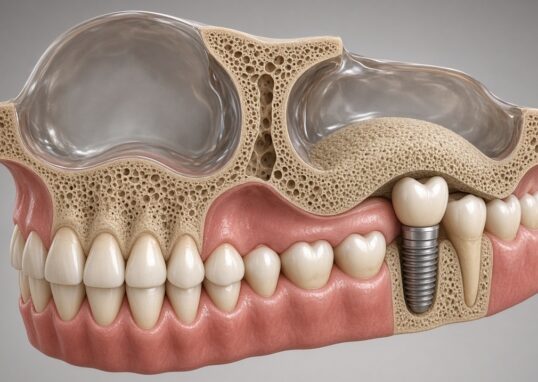
Sinus Lift Surgery: Why Upper Jaw Bone Grafting May Be Necessary
- 0
- 640 words
Sinus lift surgery is a dental procedure that helps prepare the upper jaw for implant placement when there is insufficient bone to...
Read out allTHC Tinctures and Sublingual Administration: A Beginner’s Guide
- 0
- 945 words
THC tinctures offer an alternative to traditional cannabis consumption methods, providing a liquid format that can be measured and administered in small...
Read out allHow Event Security Helps Create a Safe and Controlled Environment
- 0
- 654 words
Organizing a successful event requires careful planning, effective coordination, and a strong focus on safety. Whether it is a corporate gathering, music...
Read out all
Japanese Garden Design Ideas for Peaceful Melbourne Outdoor Spaces
- 0
- 641 words
A Japanese-inspired garden offers a beautiful way to transform an outdoor space into a peaceful retreat. With its natural materials, thoughtful layouts,...
Read out allWhat Makes a Security Company the Best Choice in Melbourne?
- 0
- 567 words
Choosing a security provider is an important decision for businesses, property owners, event organisers, and individuals across Melbourne. Every property has different...
Read out all