- 0
- 621 words
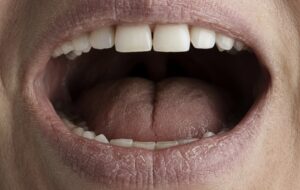
Stress is a common part of everyday life, whether it comes from work pressure, personal responsibilities, financial concerns, or unexpected challenges. While stress can affect mental and physical well-being, it can also have a significant impact on oral health. Many people overlook the connection between stress and dental problems, but prolonged tension can contribute to teeth grinding, gum inflammation, dry mouth, and other oral health concerns. Taking care of your teeth and gums during stressful periods is essential for maintaining a healthy smile.
Understand How Stress Affects Your Oral Health
When the body experiences stress, it releases hormones such as cortisol, which can influence different bodily functions, including immune system activity. Prolonged stress may make it harder for the body to manage inflammation and fight infections. As a result, some individuals may experience increased gum sensitivity, swelling, or bleeding.
Stress can also lead to unconscious habits such as clenching the jaw or grinding teeth, particularly during sleep. These habits, commonly known as bruxism, can cause tooth sensitivity, enamel wear, headaches, and jaw discomfort. Recognizing these symptoms early can help prevent more serious dental complications.
Maintain a Consistent Oral Hygiene Routine
During stressful times, daily responsibilities can make it tempting to skip regular oral care. However, maintaining good dental hygiene should remain a priority. Brush your teeth twice daily using fluoride toothpaste and a soft-bristled toothbrush. Spend at least two minutes cleaning all tooth surfaces to remove plaque and food particles.
Flossing once a day is equally important because it removes debris and plaque from areas that toothbrushes cannot easily reach. You can also consider using an alcohol-free mouthwash to support your oral hygiene routine. Consistency helps reduce the risk of cavities, gum disease, and other preventable dental problems.
Manage Teeth Grinding and Jaw Clenching
Stress-related teeth grinding can gradually damage tooth enamel and place excessive pressure on the jaw muscles. If you frequently wake up with jaw soreness, headaches, or sensitive teeth, you may be experiencing symptoms of bruxism.
Practicing relaxation techniques before bedtime can help reduce tension. Deep breathing, meditation, gentle stretching, and maintaining a regular sleep schedule may encourage relaxation. If grinding continues, consult a dental professional. Depending on your condition, a dentist may recommend a custom night guard to protect your teeth while sleeping.
Choose a Balanced and Healthy Diet
Stress can influence eating habits, leading some people to consume more sugary snacks, caffeinated drinks, and processed foods. Frequent sugar consumption increases the risk of tooth decay, while excessive caffeine may contribute to dry mouth or interfere with healthy sleep patterns.
Choose nutritious foods such as leafy vegetables, fresh fruits, dairy products, nuts, and whole grains. Drinking enough water throughout the day also helps maintain saliva production. Saliva naturally washes away food particles and neutralizes acids that can damage tooth enamel.
Schedule Regular Dental Checkups
Even with proper home care, professional dental examinations remain important. Regular visits allow dentists to identify early signs of tooth decay, gum inflammation, enamel damage, and other stress-related oral health concerns. Professional cleanings also remove hardened plaque that regular brushing and flossing cannot eliminate.
Do not ignore persistent tooth pain, bleeding gums, jaw discomfort, or unusual sensitivity. Seeking timely dental advice can prevent minor concerns from becoming more complicated.
Prioritize Your Mental and Dental Well-Being
Protecting your oral health during stressful periods takes good dental hygiene, healthy eating habits, proper sleep, and effective stress management. Small daily improvements can make a meaningful difference in maintaining healthy teeth and gums. Understanding how chronic stress affects teeth health can also help you recognize warning signs early and take appropriate preventive steps. By making oral care a consistent part of your routine and visiting your dentist regularly, you can protect your smile even during challenging times.
Author

admin@theperiodictimes.online
Related Posts
Understanding Cannabis Crumble: Texture, Aroma, and Key Characteristics
- 0
- 641 words
Cannabis concentrates come in various forms, each offering distinctive textures, aromas, and characteristics. Among these options, cannabis crumble has gained recognition for...
Read out allWhat Factors Influence Shatter Prices in Canada?
- 0
- 611 words
Shatter is a cannabis concentrate known for its glass-like appearance, brittle texture, and concentrated cannabinoid content. In Canada, its retail price can...
Read out all
How Portable Ice Baths Can Support Post-Workout Recovery
- 0
- 1,071 word
Recovery is an essential part of every fitness routine. Whether you enjoy weightlifting, running, cycling or high-intensity interval training, giving your body...
Read out all
Sinus Lift Surgery: Why Upper Jaw Bone Grafting May Be Necessary
- 0
- 640 words
Sinus lift surgery is a dental procedure that helps prepare the upper jaw for implant placement when there is insufficient bone to...
Read out allHow to Recognize the First Symptoms of a Tooth Infection
- 0
- 645 words
A tooth infection can develop when harmful bacteria enter the inner tissues of a tooth through untreated decay, cracks, dental injuries, or...
Read out allHow Does Red Congolese Strain Compare With Other Sativa Strains?
- 0
- 540 words
Sativa strains are often appreciated for their uplifting character, distinctive aromas, and ability to provide an enjoyable experience during daytime or social...
Read out all