- 0
- 612 words
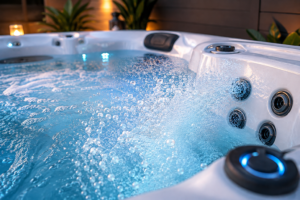
A hot tub is more than just a place to relax after a long day. It is an investment in comfort, wellness, and quality time at home. However, to keep your hot tub performing efficiently and providing a safe, enjoyable experience, regular maintenance is essential. Proper care not only extends the lifespan of your spa but also helps maintain clean water, reliable performance, and maximum comfort throughout the year.
Keep the Water Clean and Balanced
One of the most important parts of hot tub maintenance is maintaining proper water quality. Warm water creates an ideal environment for bacteria and algae growth if it is not treated correctly. Regularly testing your water helps you monitor pH levels, alkalinity, and sanitizer levels.
The pH level should remain balanced to prevent issues such as skin irritation, cloudy water, or damage to your hot tub components. Using the right amount of sanitiser, such as chlorine or bromine, helps eliminate harmful microorganisms and keeps the water fresh. A consistent cleaning routine ensures your hot tub remains hygienic and ready whenever you want to enjoy a relaxing soak.
Clean Filters Regularly
Hot tub filters play a vital role in keeping water clear by trapping dirt, oils, and other unwanted particles. Over time, filters can become clogged, reducing water flow and putting extra pressure on the pump system.
Cleaning your filters regularly helps maintain efficient circulation and improves overall water quality. Depending on usage, filters should be rinsed frequently and replaced when they show signs of wear. A well-maintained filtration system allows your hot tub to operate smoothly while reducing the risk of costly repairs.
Maintain the Hot Tub Cover
A quality hot tub cover is essential for protecting your spa from external elements. It helps prevent leaves, debris, and dirt from entering the water while also reducing heat loss. This improves energy efficiency and allows your hot tub to maintain the desired temperature with less effort.
To extend the life of your cover, clean it regularly and check for signs of damage. A damaged or waterlogged cover may not provide proper insulation, leading to increased energy costs and additional strain on your heating system.
Inspect and Clean Hot Tub Components
Regular inspections help identify small issues before they become major problems. Check components such as jets, pumps, heaters, and control systems to ensure everything is functioning correctly.
Cleaning the shell and jets prevents the buildup of oils, minerals, and residue that can affect performance. Using manufacturer-approved cleaning products helps protect your hot tub’s surfaces and maintain its appearance. If you notice unusual noises, reduced water pressure, or temperature problems, addressing them early can prevent expensive repairs.
Drain and Refill the Water Periodically
Even with regular chemical balancing and filtration, hot tub water eventually needs to be replaced. Over time, dissolved minerals, cleaning products, and contaminants can build up, affecting water quality.
Draining and refilling your hot tub every few months helps refresh the system and provides a cleaner, more comfortable experience. Before refilling, take the opportunity to clean the interior surfaces and inspect important components.
Follow a Consistent Maintenance Routine
The key to long-lasting hot tub maintenance performance is consistency. Creating a simple maintenance schedule makes it easier to keep track of water testing, filter cleaning, inspections, and other essential tasks.
A properly maintained hot tub offers years of relaxation, comfort, and enjoyment. Whether you use your spa for stress relief, hydrotherapy, or spending time with family and friends, regular care ensures it continues to deliver the best possible experience. By investing a little time in maintenance, you can protect your hot tub, improve efficiency, and enjoy a clean, comfortable, and relaxing environment whenever you need it.
Author

admin@theperiodictimes.online
Related Posts
How Healthy Eating Habits Support Strong Teeth and Healthy Gums
- 0
- 803 words
Maintaining strong teeth and healthy gums involves more than brushing and flossing every day. The foods and beverages people consume also play...
Read out all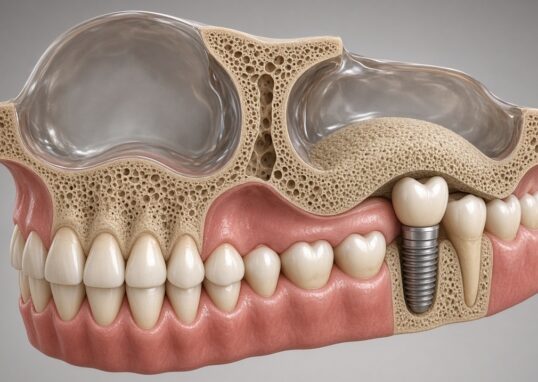
Sinus Lift Surgery: Why Upper Jaw Bone Grafting May Be Necessary
- 0
- 640 words
Sinus lift surgery is a dental procedure that helps prepare the upper jaw for implant placement when there is insufficient bone to...
Read out allTHC Tinctures and Sublingual Administration: A Beginner’s Guide
- 0
- 945 words
THC tinctures offer an alternative to traditional cannabis consumption methods, providing a liquid format that can be measured and administered in small...
Read out allHow Event Security Helps Create a Safe and Controlled Environment
- 0
- 654 words
Organizing a successful event requires careful planning, effective coordination, and a strong focus on safety. Whether it is a corporate gathering, music...
Read out all
Japanese Garden Design Ideas for Peaceful Melbourne Outdoor Spaces
- 0
- 641 words
A Japanese-inspired garden offers a beautiful way to transform an outdoor space into a peaceful retreat. With its natural materials, thoughtful layouts,...
Read out allWhat Makes a Security Company the Best Choice in Melbourne?
- 0
- 567 words
Choosing a security provider is an important decision for businesses, property owners, event organisers, and individuals across Melbourne. Every property has different...
Read out all