Maintaining good oral health is essential for your overall well-being. While regular dental checkups help prevent many problems, some symptoms should never be ignored. If you experience certain warning signs, it may be time to schedule an immediate visit to a dentist in Frisco. Recognizing these signs early can help prevent serious dental complications and ensure your smile stays healthy.
Persistent Tooth Pain
One of the most common signs that you need to see a dentist immediately is ongoing tooth pain. Occasional sensitivity may not be serious, but persistent or severe pain often indicates a deeper issue such as tooth decay, infection, or a damaged tooth.
Ignoring tooth pain can allow the problem to worsen, potentially leading to more complex treatments like root canals or tooth extractions. A dentist can diagnose the cause and provide the appropriate treatment to relieve discomfort and protect your oral health.
Bleeding or Swollen Gums
If your gums bleed frequently while brushing or flossing, it may be a sign of gum disease. Healthy gums should not bleed regularly. Swollen, red, or tender gums are often early indicators of gingivitis or more advanced periodontal disease.
Visiting a dentist in Frisco promptly can help stop the progression of gum disease and protect your teeth and supporting bone structure. Early treatment usually involves professional cleaning and improved oral hygiene practices.
Sudden Tooth Sensitivity
Sensitivity to hot, cold, or sweet foods can sometimes be temporary. However, sudden or severe sensitivity could signal enamel erosion, cavities, or exposed tooth roots.
A dental professional can determine the cause of the sensitivity and recommend treatments such as fluoride applications, dental bonding, or other protective procedures to strengthen the teeth.
Loose or Shifting Teeth
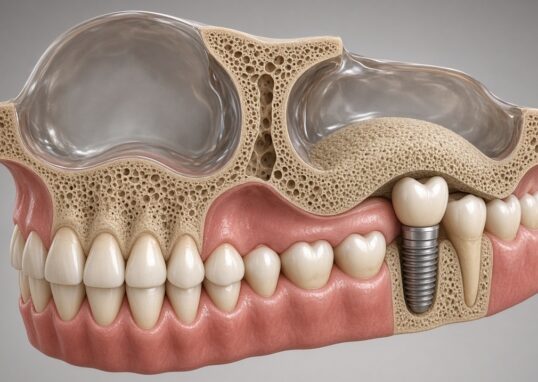
Adult teeth should never feel loose. If you notice that a tooth is moving or your bite feels different, it could be a sign of advanced gum disease or bone loss around the teeth.
Loose teeth require immediate dental attention to prevent tooth loss. A dentist will assess the condition of your gums and jawbone and recommend treatments to stabilize your teeth.
Persistent Bad Breath
Occasional bad breath is normal, especially after eating certain foods. However, chronic bad breath that does not improve with brushing or mouthwash could indicate underlying dental issues such as gum disease, infections, or untreated cavities.
A dentist can identify the source of the problem and provide treatment to restore fresh breath and better oral health.
Mouth Sores That Don’t Heal
Small mouth sores or ulcers can occur occasionally, but if a sore lasts longer than two weeks, it should be examined by a dental professional. Persistent sores may indicate infections or other oral health concerns that require attention.
Early diagnosis is important for preventing complications and ensuring proper treatment.
Conclusion
Your mouth often gives clear warning signs when something isn’t right. Persistent pain, bleeding gums, loose teeth, and other unusual symptoms should never be ignored. Seeking prompt care from a qualified dentist in Frisco can help diagnose problems early, relieve discomfort, and prevent more serious dental issues. Regular dental visits combined with good oral hygiene habits are the best ways to maintain a healthy and confident smile.